
Telegram Launches Decentralized AI Network Rewarding GPU Owners with TON Crypto Tokens

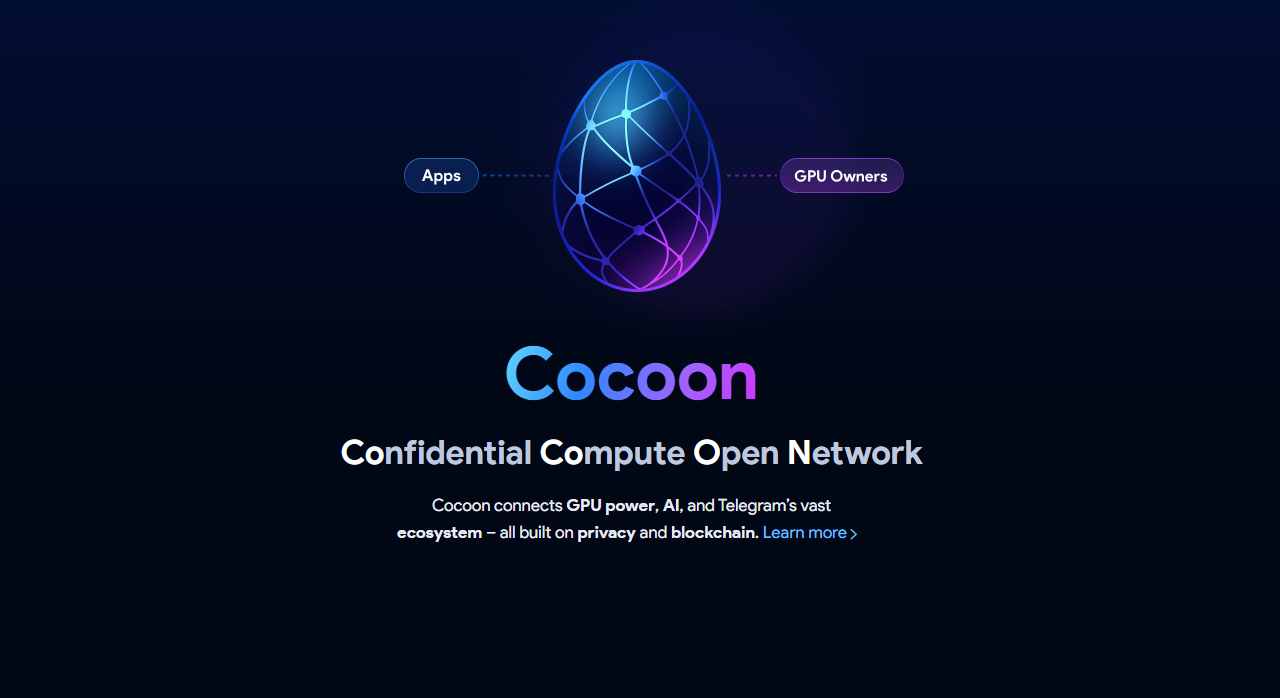
Pavel Durov, the founder of Telegram, revealed on Sunday that Cocoon, a new decentralized confidential compute network built directly on the TON blockchain, has officially gone live. This platform enables fully private processing of artificial intelligence requests, marking a significant step toward user-controlled data handling in the AI space. Designed to protect user privacy completely, Cocoon stands out by allowing anyone with spare GPU hardware to participate and earn cryptocurrency rewards.
The network, formally known as the Confidential Compute Open Network, creates a direct connection between GPU owners and developers who need secure computing power for sensitive AI tasks. Early participants have already begun contributing their hardware, processing real user requests while earning TON cryptocurrency tokens as compensation. Durov highlighted that the first AI requests from actual users are now being handled with absolute confidentiality, demonstrating that the system works as intended from day one.
Stay In The Loop and Never Miss Important Crypto News
Sign up and be the first to know when we publishCocoon Positions Itself as Privacy-Focused Alternative to Traditional Cloud Giants
Cocoon relies on Trusted Execution Environments, including technologies like Intel TDX, to deliver verifiable and attested model execution that keeps all data shielded from prying eyes. Unlike centralized providers such as Amazon Web Services and Microsoft Azure, which often act as costly intermediaries and raise legitimate privacy concerns, Cocoon eliminates those middlemen entirely. This approach not only lowers expenses but also returns control over personal information to the individuals who generate it.
Telegram itself serves as the network’s flagship customer, integrating Cocoon’s capabilities to power upcoming AI features that prioritize user privacy. Durov has made it clear that the messaging platform will drive initial demand while the team works to bring more GPU suppliers and developers into the ecosystem over the coming weeks. By leveraging TON, the blockchain that already handles Telegram’s in-app payments and creator economy, Cocoon benefits from an established infrastructure ready for rapid growth.
The launch comes at a moment when concerns over how large technology companies handle data are steadily growing. Centralized cloud platforms not only demand that users trust their information will remain secure, but they have also suffered repeated setbacks; from high‑profile breaches and shifting policies that undermine confidence, to major outages at crypto providers such as Amazon Web Services and Cloudflare that have taken down vast portions of the internet and exposed the risks of relying on centralized servers. Cocoon tackles these vulnerabilities directly by distributing computation across a global network of independent GPU providers, ensuring that no single entity can compromise, control, or monetize private user data.
Looking ahead, the focus remains on scaling both supply and demand sides of the network. More hardware owners are expected to join as word spreads about the ability to monetize idle GPUs through legitimate AI workloads. Developers building privacy-sensitive applications now have a viable decentralized option that aligns incentives across the board, from individual contributors to large-scale projects within the TON community.
With Cocoon now operational and processing real requests, the TON ecosystem gains a powerful new tool for privacy-preserving artificial intelligence. Telegram users can anticipate the arrival of enhanced AI-driven features that operate under strict confidentiality guarantees. As adoption grows, this decentralized model could reshape how sensitive computing tasks are handled across the broader cryptocurrency and technology landscape.