
Senator Elizabeth Warren Pushes OCC to Delay World Liberty Financial Bank Charter Review

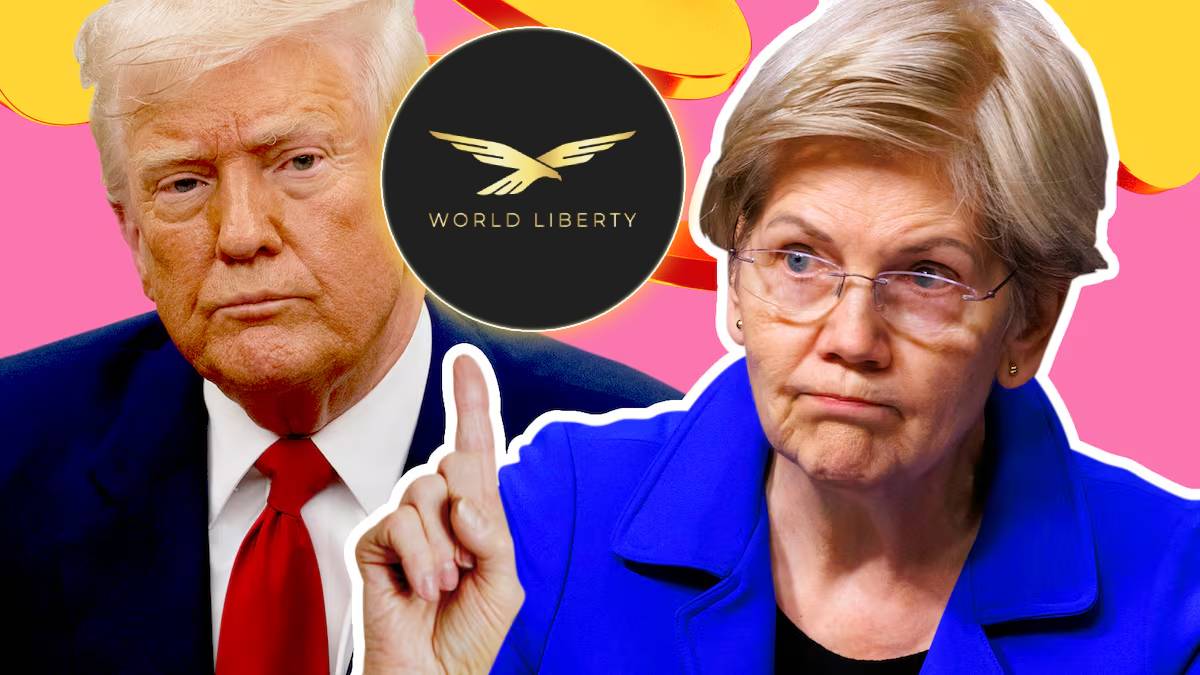
Senator Elizabeth Warren has called on the Office of the Comptroller of the Currency to pause its review of a national trust bank charter application submitted by a subsidiary of World Liberty Financial, a cryptocurrency platform co-founded by President Donald Trump and his sons. In a letter dated January 13, 2026, the Massachusetts Democrat expressed serious concerns about potential conflicts of interest that could arise if the application moves forward while the president maintains financial ties to the company. This development comes just days after the initial filing was submitted in early January, highlighting ongoing debates over regulatory independence in the rapidly evolving crypto sector.
The application seeks approval for WLTC Holdings to operate as a national trust bank focused on issuing and custodying the USD1 stablecoin, a move that would bring the entity under direct federal oversight. Warren's intervention underscores the unique challenges presented when high-profile political figures are involved in financial ventures subject to government regulation. The request reflects broader questions about how agencies can maintain impartiality in decisions that could impact businesses linked to the executive branch.
Stay In The Loop and Never Miss Important Crypto News
Sign up and be the first to know when we publishKey Concerns Raised by Senator Warren
Warren pointed out that approving the charter would place the OCC in an unprecedented position, as the agency would be responsible for supervising a company with direct ties to the president who appoints its leader, Comptroller Jonathan Gould. She argued that this setup could influence rulemaking on stablecoins, potentially affecting the profitability of World Liberty Financial while the comptroller serves at the pleasure of the president. The senator emphasized that such oversight responsibilities extend to enforcing laws against the company and its competitors, creating a structural conflict never before seen in the U.S. banking system.
The letter referenced a prior exchange from July 2025, when Warren had raised similar hypothetical concerns with Gould following the passage of the GENIUS Act, legislation that expanded the OCC's role in stablecoin regulation. At that time, the comptroller declined to provide detailed responses, viewing the scenario as speculative. Warren noted that those questions have now become reality with the formal application, and she criticized the earlier dismissal as insufficient given the current circumstances.
Warren stressed the OCC's core duty to ensure fair access to financial services and maintain stability in the banking system for the benefit of American households and businesses. She contended that decisions should prioritize public interest over any private financial gains for the president. The senator also observed that Congress did not fully address these types of conflicts when enacting the GENIUS Act, suggesting that ongoing discussions around crypto market structure legislation provide an opportunity to tackle the issue.
In her closing request, Warren urged Gould to commit in writing by January 20, 2026, to delaying the review until President Trump fully divests from World Liberty Financial and eliminates all related family financial interests. This step, she argued, would help preserve the integrity of federal banking oversight amid growing integration of digital assets into traditional finance. The situation continues to draw attention as policymakers navigate the balance between innovation in cryptocurrency and safeguards against potential influence in regulatory processes.
The push for a national charter represents part of a wider trend among crypto firms seeking federal banking status to offer services like digital asset custody under a unified regulatory framework. World Liberty Financial's efforts align with recent approvals for other entities in the space, but the political connections have elevated scrutiny. As the OCC weighs its next steps, the outcome could influence confidence in how the U.S. handles crypto-related banking applications moving forward.