
Cardano’s Hoskinson Slams Ripple CEO Over CLARITY Act Support

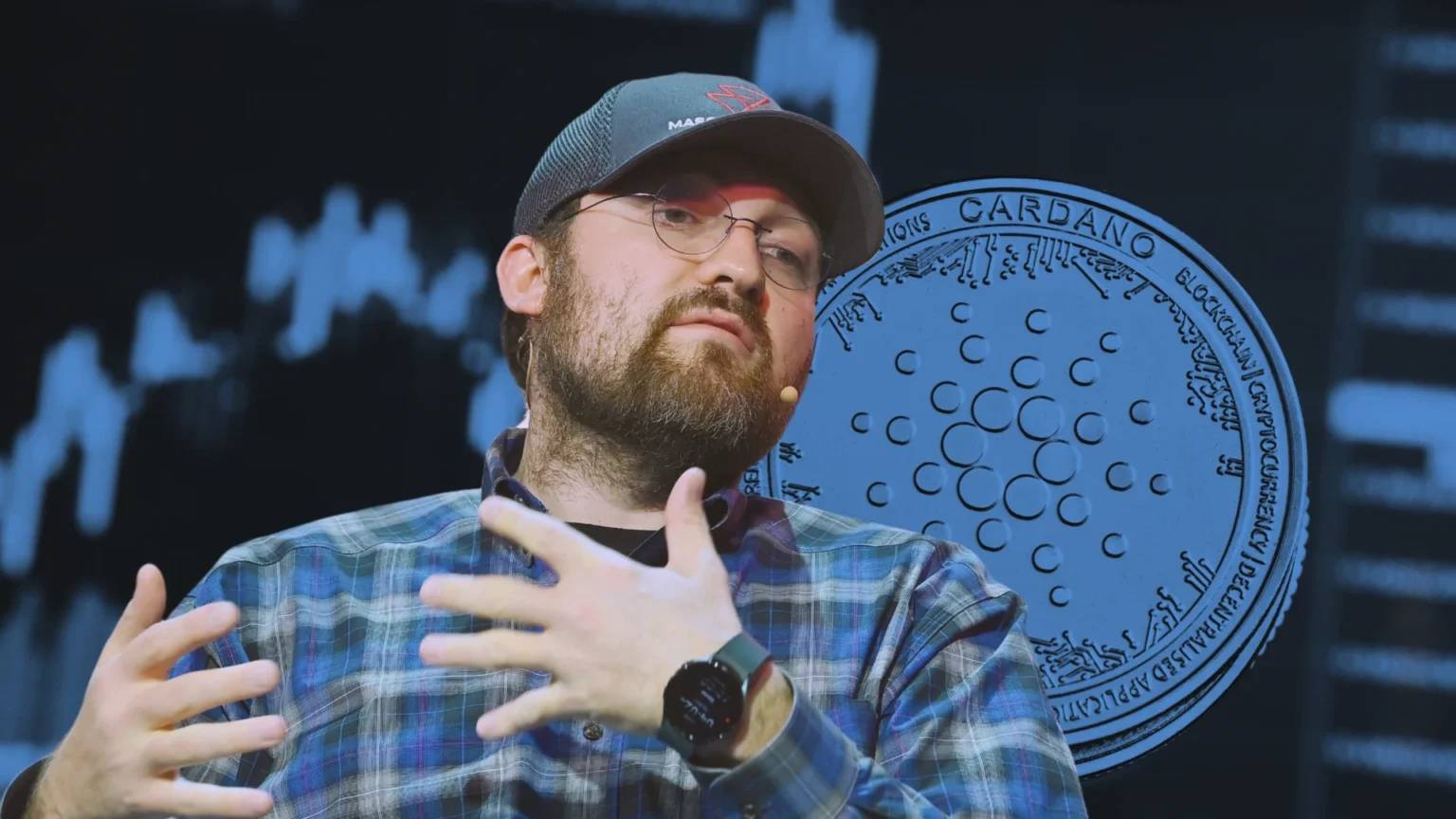
Charles Hoskinson, founder of Cardano, openly criticized Ripple CEO Brad Garlinghouse for endorsing the draft CLARITY Act, describing the proposed legislation as a risky concession that could undermine the core principles of cryptocurrency. In a recent livestream, Hoskinson argued that the bill, intended to provide a regulatory framework for digital assets, instead grants excessive authority to regulators and forces projects to seek permissions rather than operate independently. His remarks highlight a growing divide within the industry over how best to engage with policymakers in Washington.
Hoskinson pointed out that the bill, after numerous amendments, effectively presumes all new cryptocurrency projects are securities unless proven otherwise. He questioned the value of such an approach, asking how it differs meaningfully from the enforcement-heavy stance taken by the SEC under previous leadership. The Cardano founder stressed that accepting imperfect legislation now could lock the industry into unfavorable rules for decades, drawing a parallel to longstanding securities laws that have proven difficult to reform.
Stay In The Loop and Never Miss Important Crypto News
Sign up and be the first to know when we publishHoskinson’s Core Objections to the Legislation
During the livestream (timestamp 20:57), Hoskinson directly addressed Garlinghouse’s position that the bill, while not ideal, represents necessary progress. He rejected the idea of compromising with the same regulatory bodies that have pursued legal action against major crypto firms, including Ripple and XRP itself. Hoskinson argued that passing flawed legislation would be nearly impossible to undo, noting that foundational securities laws from the 1930s remain largely unchanged after more than ninety years.
Hoskinson framed his opposition as a defense of the original vision for Bitcoin and cryptocurrency, one built on decentralization and freedom from centralized control. He expressed concern that the bill’s requirements could lead to a future where every wallet is custodial and every transaction requires identity verification. The Cardano founder suggested that some industry leaders are willing to accept restrictive rules in exchange for influence and favorable treatment within a new regulatory structure.
The Senate Banking Committee postponed last week’s planned markup of the Clarity Act after Coinbase CEO Brian Armstrong publicly objected to the measure.
He further warned that those advocating for quick legislative wins may overestimate their ability to shape outcomes favorably. Hoskinson described such compromises as trading long-term principles for short-term gains, potentially creating a system that benefits a small group at the expense of broader innovation. His comments reflect a belief that the cryptocurrency community should prioritize maintaining its foundational ideals over immediate regulatory acceptance.
Hoskinson has grown increasingly vocal about perceived shortcomings in recent political approaches to crypto policy. He previously criticized the launch of Trump-associated memecoins earlier in 2025, stating it disrupted bipartisan momentum behind regulatory efforts. More recently, he expressed disappointment with White House crypto advisor David Sacks, claiming progress on meaningful legislation has stalled under current leadership.