
US Treasury Buys Argentine Pesos, But Bitcoin Remains the Stronger Bet

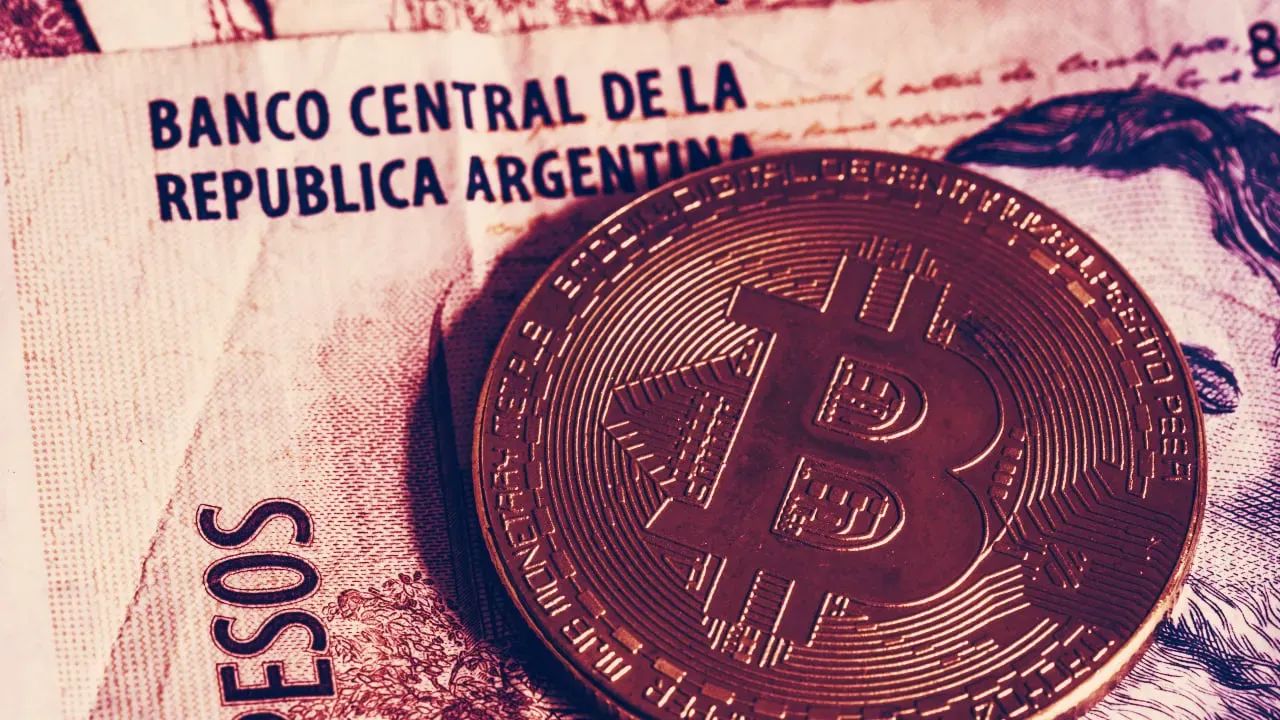
U.S. Treasury Secretary Scott Bessent announced a direct intervention in Argentina’s currency market, revealing that the department purchased Argentine pesos to address acute illiquidity and bolster exchange rate stability. This action comes as part of broader efforts to back the economic reforms led by President Javier Milei, whose policies have drawn international attention for their focus on fiscal discipline. Bessent described the move as a strategic step to prevent market disruptions in a key Latin American economy.
The intervention highlights the Treasury’s readiness to act decisively where international bodies face limitations. While the International Monetary Fund supports Argentina’s prudent fiscal measures, its processes often prevent rapid responses to urgent needs. Bessent emphasized on social media that the U.S. stands prepared to implement exceptional measures for market stability, without specifying the volume of pesos acquired.
Bessent shared further details on the coordinated efforts with Argentine officials during a recent Fox News interview. He confirmed the finalization of a $20 billion currency swap agreement after four days of intensive talks with Finance Minister Luis Caputo and his team. This swap provides Argentina with additional liquidity to manage reserves and sustain Milei’s reform agenda.
Bessent positioned the peso purchases not as emergency aid but as a calculated investment opportunity. He noted that the Argentine peso remains undervalued amid the country’s ongoing recovery efforts. Argentina serves as a beacon in Latin America, he added, with the U.S. approach centered on buying low to capitalize on future gains.
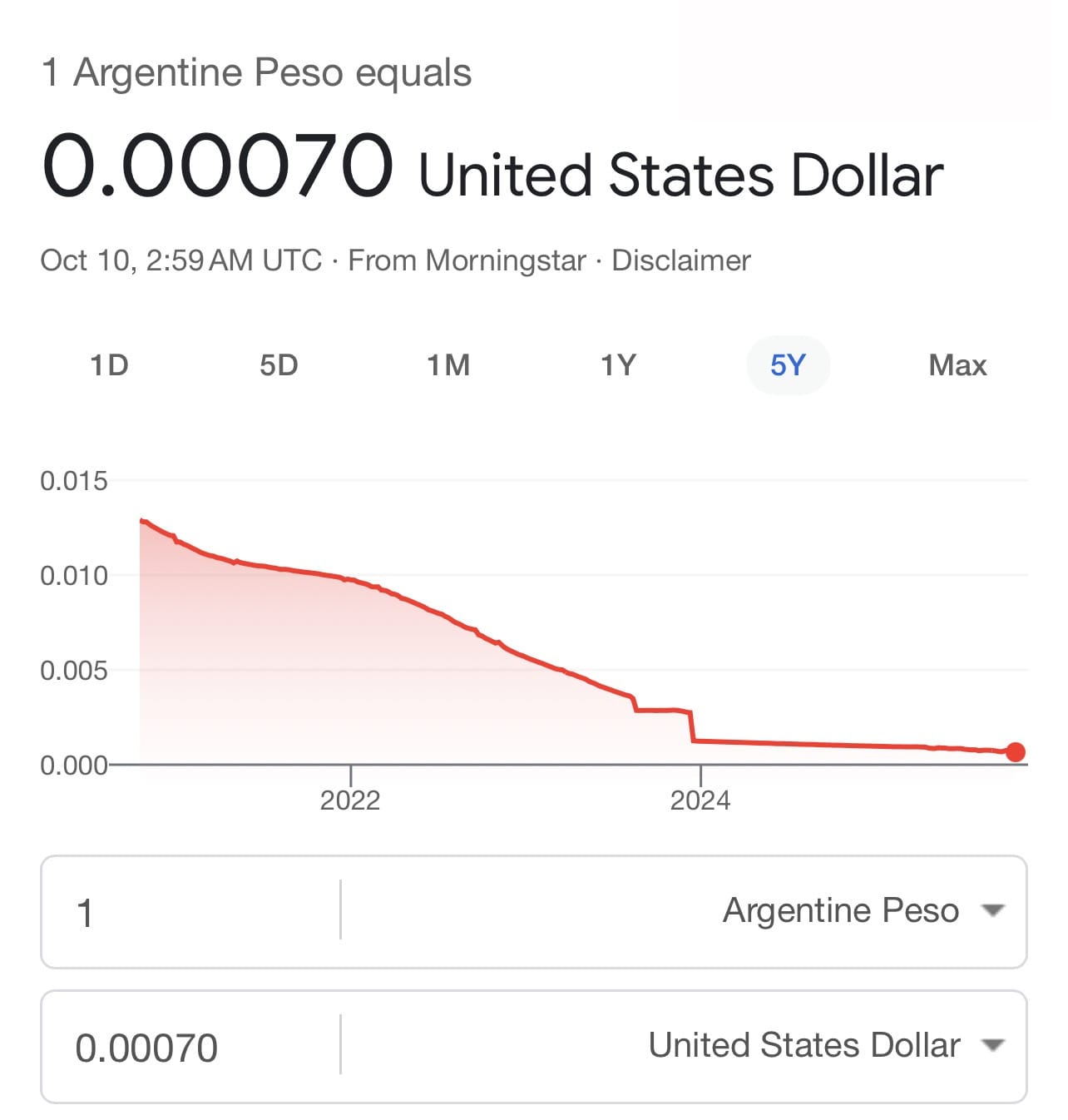
Such interventions underscore the challenges of fiat currencies in volatile environments, where depreciation can erode value quickly. The Argentine peso has endured chronic inflation, often surpassing 50% annually, which diminishes its reliability for long-term holding. Investors seeking stability must navigate these risks, particularly when government actions tie capital to national currencies prone to external pressures.
Bitcoin presents a contrasting path for preserving wealth in these scenarios. Its fixed supply of 21 million coins creates inherent scarcity, driving value as global adoption grows. Institutional inflows and technological advancements have fueled a steady upward trend over the past decade, positioning it as a hedge against inflationary forces.
Bitcoin Stands Out as a Resilient Store of Value Option
This dynamic becomes especially relevant for U.S. policymakers evaluating exposure to emerging markets. Allocating resources to assets like the peso carries exposure to sovereign risks and policy shifts, as seen in Argentina’s history of economic turbulence. Bitcoin operates outside these constraints as a decentralized network, offering borderless access and resistance to manipulation by any single entity.
The Treasury has already been tasked with setting up a Strategic Bitcoin Reserve, including coming up with budget neutral ways to acquire additional Bitcoin to fund the reserve. It’s only natural that the $20 billion investment would be smartly invested into a store of value that isn’t being hyper inflated away, diminished, and rapidly losing value.
With Bitcoin’s track record demonstrating resilience during global uncertainties, it aligns well with strategies aimed at countering fiat debasement. As institutional interest in cryptocurrencies expands, alternatives like Bitcoin could inform future U.S. financial maneuvers in unstable regions.
Argentina’s path forward depends on sustained reforms to rebuild investor trust and curb inflation’s grip. The peso’s recovery will require consistent execution from Milei’s administration, supported by international partners like the U.S. Treasury. Milei himself has faced intense scrutiny in particular in the cryptocurrency space due to the LIBRA scandal which has created both legal and ethical issues for his administration. Meanwhile, Bitcoin’s evolution as digital gold continues to attract those prioritizing enduring value over short-term fiat fluctuations.
In this world, the distinction between traditional interventions and innovative assets grows clearer. The U.S. move bolsters a vital ally, but Bitcoin’s attributes suggest a more robust framework for wealth protection amid persistent global monetary challenges. As markets evolve, these choices will shape economic narratives across continents.
Sentiment Analysis
Loading market sentiment…