
US Probes Venezuela Maduro Regime Bitcoin Holdings After Capture

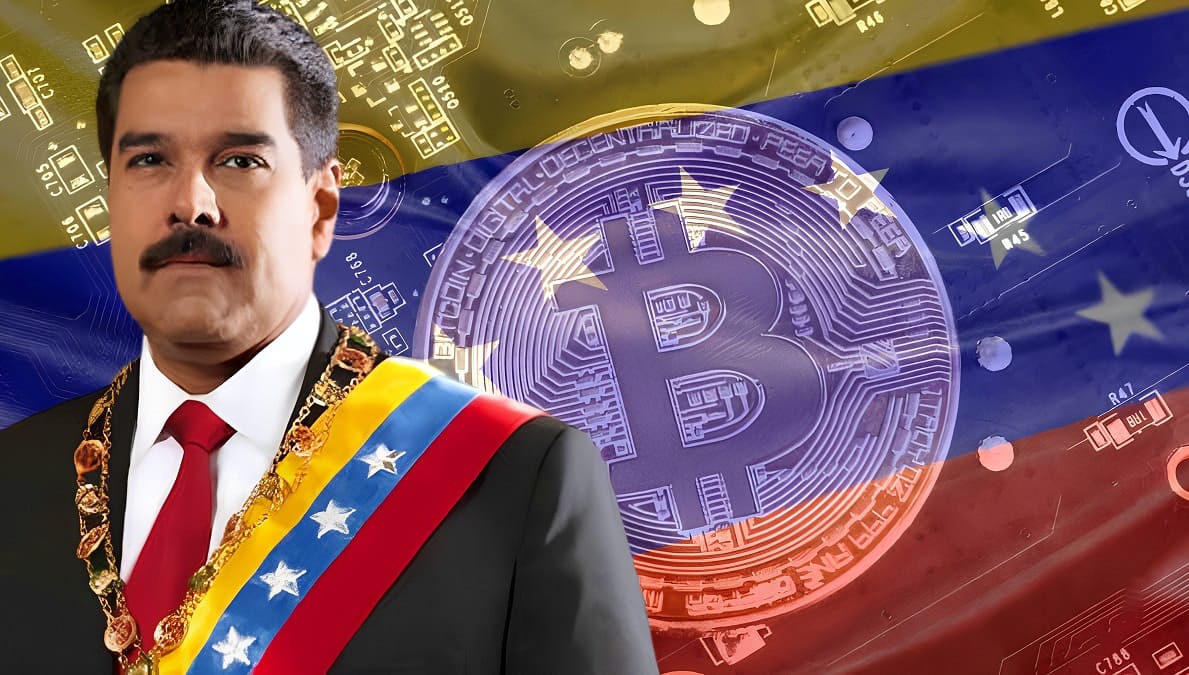
US authorities are examining potential Bitcoin and cryptocurrency digital assets tied to the former Nicolás Maduro regime in Venezuela following his capture by American forces earlier this month. Patrick Witt, Executive Director of the President’s Council of Advisors for Digital Assets, told CoinDesk in a recent interview that several national security teams are actively reviewing how the regime sustained its finances. The inquiry covers a wide range of sources, including oil revenues, physical commodities, and digital holdings.
Witt described the effort as part of an ongoing assessment, with multiple agencies coordinating their work. He noted that conversations are taking place across the national security community but declined to share specifics on any findings or steps taken so far. The review gained momentum after Maduro and his wife were removed from power in a January 3 operation and transferred to US custody to face charges.
Patrick Witt interview where he discusses US officials probing the Venezuela Maduro regime for cryptocurrency assets
Speculation Surrounding Regime Crypto Reserves
Reports have emerged suggesting the Maduro government may have quietly built a substantial Bitcoin reserve over the years to navigate heavy international sanctions. The Whale Hunting newsletter, produced by Project Brazen, estimates that this undisclosed stash could reach a value of up to $60 billion. Investigators and analysts point to several channels that allegedly fed into this accumulation, such as converting gold sales into cryptocurrency and settling oil deals outside traditional banking systems.
Alex Saab, a longtime Maduro ally known for handling sensitive financial arrangements, is believed to have played a central role in overseeing these operations. Saab's prior involvement in evading restrictions through various schemes adds weight to claims that he managed access to the crypto assets. Any recovery of such holdings would require securing private keys, a challenge that underscores the unique nature of cryptocurrency storage.
Venezuela developed an early interest in digital assets as a way to counter economic isolation. The regime launched the Petro token in 2018, positioning it as an oil-backed alternative currency, though the project eventually wound down without widespread success. At the same time, low electricity rates drew significant Bitcoin mining activity to the country, creating a domestic industry that later faced government interventions.
Many mining facilities were seized by authorities during periods of energy strain, raising questions about where the produced coins ended up. Citizens also embraced cryptocurrencies on a large scale to protect savings from hyperinflation and conduct everyday transactions. Stablecoins facilitated cross-border payments and helped maintain some economic flows despite banking limitations.
Stay In The Loop and Never Miss Important Crypto News
Sign up and be the first to know when we publishThe current US review highlights ongoing concerns about how digital assets can support sanctioned governments. Officials appear focused on tracing any regime-linked funds as part of broader efforts following the leadership change. While the full extent of any Bitcoin holdings remains unconfirmed through public blockchain records, the probe continues to draw attention from both policy circles and market observers.
Last year, US. Treasury Secretary Scott Bessent made clear that future growth in the Bitcoin holdings would come solely from confiscated Bitcoin and other cryptocurrencies obtained through legal actions. He stated the administration would halt any sales of Bitcoin and digital assets currently in possession, allowing the reserve to build organically over time.
In October, it was revealed that the US government holds $17 billion in Bitcoin, according to a private meeting with Bessent and others. Amazingly enough in terms of timing, just this week we reported how a private government contractor tasked with managing the custody of cryptocurrencies for the US Marshals seized digital assets, and now the son of its CEO allegedly stole $40 million in Bitcoin from the government‑controlled wallets.