
UK Supreme Court Rejects Final BSV Appeal After Exchange Delistings

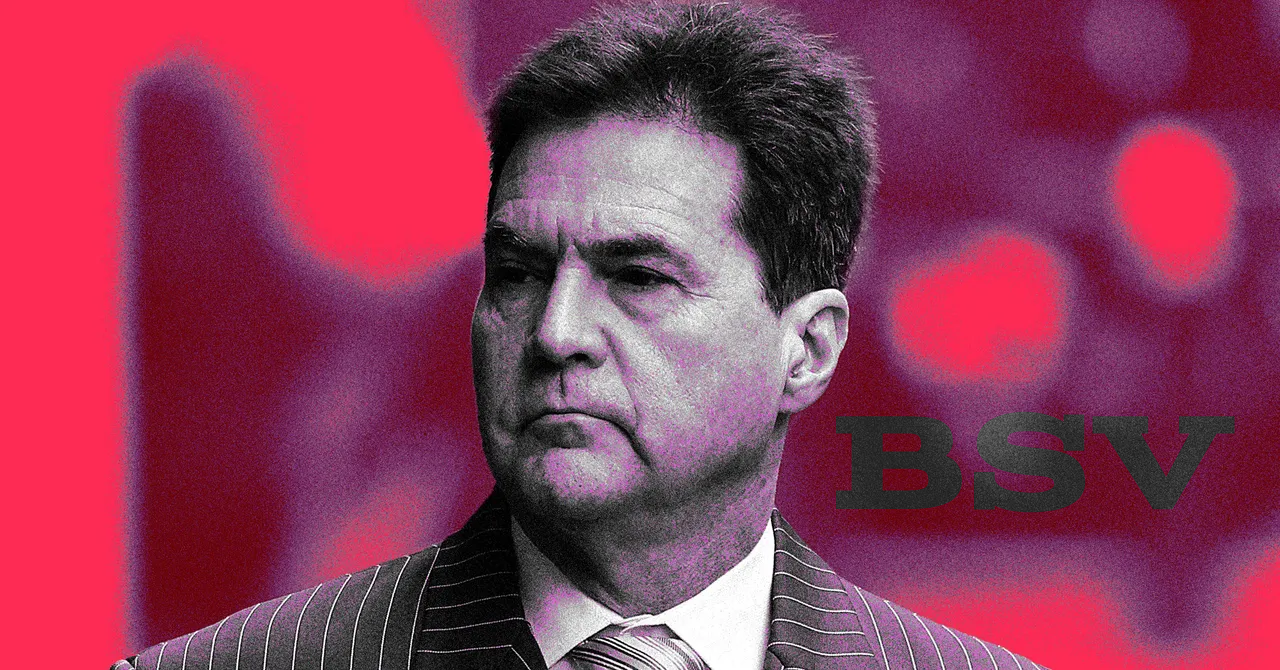
The UK Supreme Court has turned down an appeal from BSV Claims Limited, ending a long-running legal effort to seek substantial damages from cryptocurrency exchanges including Binance and Kraken over the 2019 delisting of the crypto blockchain BSV. Judges determined that the request for permission to appeal did not present a significant legal issue worthy of further review. This decision, issued on December 8, marks the latest loss for claimants who argued that coordinated delistings caused major financial harm to BSV holders.
BSV Claims Limited initiated the case in 2024 at the Competition Appeal Tribunal, alleging anticompetitive behavior that led to a sharp decline in BSV's value and prevented it from achieving growth comparable to BTC. The tribunal rejected key parts of the claim, including arguments about forgone growth potential and loss of chance for price appreciation. Exchanges maintained that holders could have sold their assets on remaining platforms to limit losses.
Stay In The Loop and Never Miss Important Crypto News
Sign up and be the first to know when we publishBSV Legal Challenges and Market Performance
The case progressed through multiple courts, with the Court of Appeal earlier dismissing appeals and emphasizing that BSV remained tradable elsewhere after delistings began in April 2019. Judges noted that claimants were not entitled to damages based on speculative future gains, as holders had opportunities to mitigate by shifting to other cryptocurrencies. The Master of the Rolls highlighted that recoverable losses would typically be limited to the value of holdings at the time of delisting, plus any direct costs.
Since the delistings, market performance has diverged sharply between BSV and BTC. Bitcoin has reached new all-time highs around $126,000 this year, reflecting strong institutional adoption and broader market trends. In contrast, BSV has traded around $18 to $19 in recent months, down significantly from its peaks. This disparity underscores the challenges faced by alternative blockchains in gaining sustained traction.
"Bitcoin Satoshi Vision" (BSV) emerged as a fork aimed at restoring certain aspects of the original Bitcoin protocol, promoted heavily by figures like Craig Wright and supported financially by investors such as Calvin Ayre. Wright's claims to be Bitcoin's creator were thoroughly debunked in a 2024 UK High Court ruling, which described his evidence as fabricated and imposed restrictions on related legal actions. Subsequent contempt proceedings resulted in a suspended sentence for Wright after violations of court orders.
Delistings by major platforms followed concerns over Wright's assertions and associated litigation risks. Former Binance CEO Changpeng Zhao aka CZ, publicly criticized Wright at the time, while other exchanges cited similar issues alongside market factors. BSV continues to operate today, but adoption remains poor as it hobbles along as compared to other leading cryptocurrencies.
We have also recently reported on connections between Ayre and past financial controversies, including allegations related to the Wirecard collapse. Investigations traced funds through complex networks allegedly using them as a conduit for Ayres high-stakes gambling operations. These developments add context to the ecosystem surrounding BSV, as the project navigates ongoing legal and market hurdles.
The Supreme Court's refusal to hear the appeal closes yet another door for BSV, reinforcing prior rulings that exchanges acted within their rights. For the broader crypto industry, the outcome highlights the balance between platform discretion and investor protections in a rapidly evolving space. BSV holders now face a continued downward slope, where they need to either decide to jump off the ship or just stay on until it sinks completely.