
Trump "Board of Peace" Proposes Stablecoin Cryptocurrency for War-torn Gaza

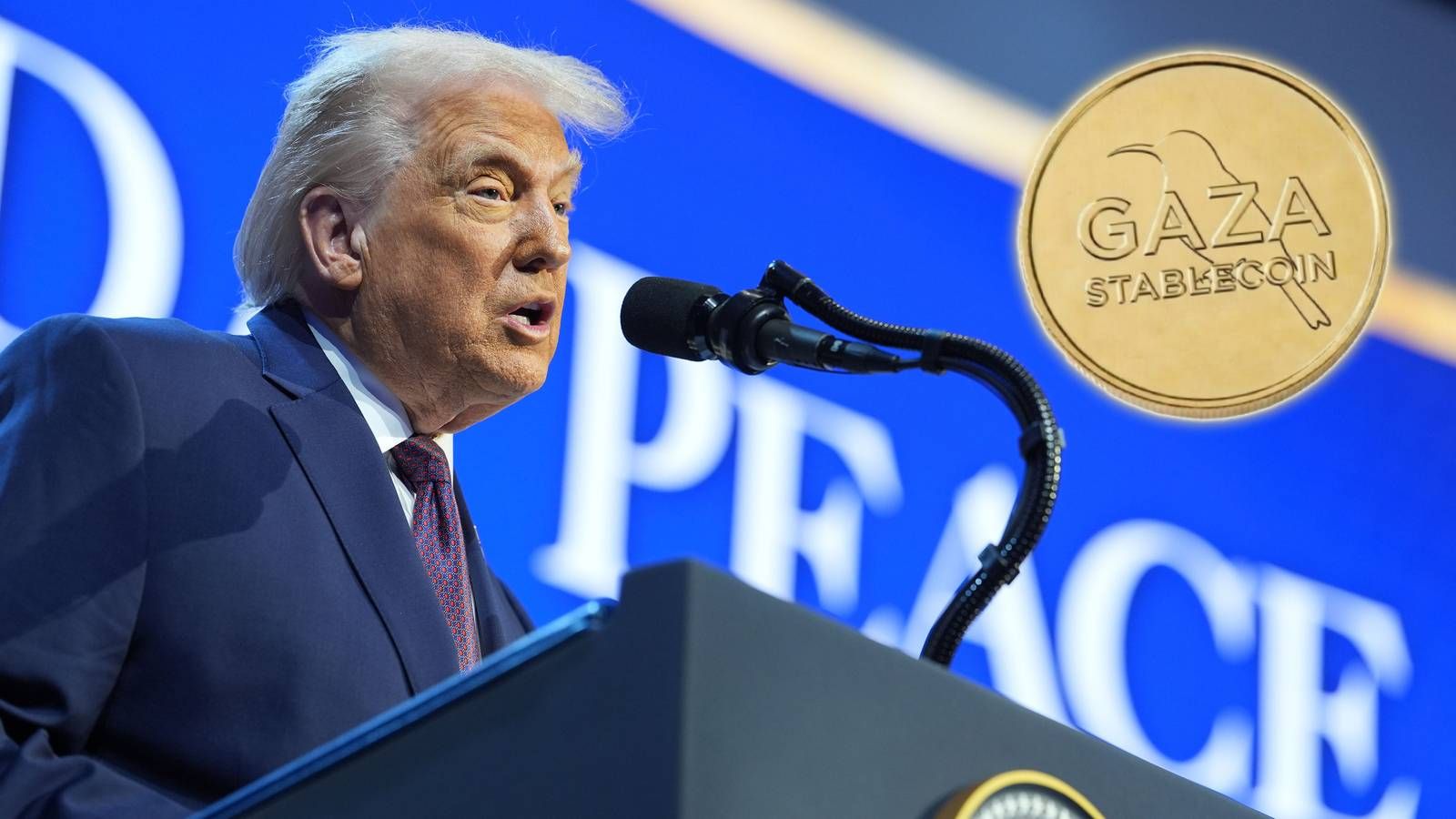
Officials working with Donald Trump’s Board of Peace have started early talks about launching a stablecoin tailored for Gaza. The proposal comes as part of plans to rebuild the enclave’s economy after years of conflict severely damaged its financial systems. A stablecoin, which maintains a pegged one-to-one value by linking to a traditional currency like the US dollar, could help residents handle everyday transactions when cash and banking options remain scarce.
The discussions focus on creating a practical digital payment tool rather than a standalone currency for the territory. Many details are still being worked out, including how the system would operate on the ground. This step reflects ongoing efforts to restore basic economic functions in an area where physical infrastructure has faced devastating setbacks.
Stay In The Loop and Never Miss Important Crypto News
Sign up and be the first to know when we publishStrategy Driving the Gaza Stablecoin Effort
Liran Tancman, an Israeli tech entrepreneur and former reservist now serving as an adviser to the Board of Peace, heads the project. He works alongside members of the 14-member National Committee for the Administration of Gaza and representatives from the Office of the High Representative led by former UN envoy Nickolay Mladenov. All these groups coordinate under the Board of Peace framework established to guide reconstruction. The Board of Peace was created by U.S. President Donald Trump, as an international organization established to promote peacekeeping and oversee reconstruction efforts in conflict zones, particularly the Gaza Strip.
The stablecoin would stay fully pegged to the US dollar, drawing on support from Gulf Arab companies and regional firms that already handle digital currency operations. Such expertise would help build the necessary technology for secure and efficient use across the enclave. The tool is described as simply as a way for Gazans to complete digital transfers without relying on physical cash or coins.
A source close to the planning confirmed the initiative avoids any creation of a new Gaza-specific coin or Palestinian currency. Instead, it targets practical digital transactions to keep commerce flowing in daily life. This approach builds on the growing shift toward electronic payments that many Gazans have already adopted amid cash shortages.
Since the conflict intensified in 2023, access to Israeli shekels has dropped sharply because cash machines were damaged or shut down and fresh supplies were blocked from entering the strip. Local traders and brokers now manage what little physical currency remains, often applying high fees that strain ordinary households. These conditions have accelerated interest in digital alternatives that function even when traditional banks face limits.
One individual familiar with the talks noted that expanding digital options could reduce dependence on cash supplies that have become tightly controlled. The setup envisions transactions that stay traceable for oversight, similar to how the stablecoin Tether (USDT) works.
Some have raised points about how a Gaza-focused stablecoin might affect connections with the West Bank, where Palestinians hope to maintain unified economic ties for any future state. If the system operates separately from the Palestine Monetary Authority, cross-territory payments could become more complex over time. Those involved in the project insist the goal centers on enabling transactions for residents and not on creating divisions between the areas.
Technical challenges in Gaza add layers to the planning process. Frequent power outages and reliance on older 2G mobile networks have slowed digital adoption in recent years; in addition with Gaza being a demolished war zone, tools and resources have become primitive. Tancman mentioned during a recent Board of Peace session in Washington that the network would receive upgrades to deliver free high-speed access for key services such as payments, education, and healthcare by July.
The Palestine Monetary Authority acts as the central banking body for both Gaza and the West Bank yet holds no authority to print its own money. The Israeli shekel serves as the main legal tender, while dollar-based dealings occur on a smaller scale. These structural realities have left room for innovative approaches like dollar-pegged digital assets to fill gaps in daily financial activity.
During the Washington gathering last week, Tancman outlined plans for a secure digital platform that would handle electronic payments alongside other public services. Users would keep control over their own data within the system. The Board of Peace and the National Committee for the Administration of Gaza would together set the rules for how the stablecoin functions and who gains access.
Trump administration representatives have expressed openness to options that could quickly support economic activity in Gaza. The United States has backed wider adoption of dollar-linked stablecoins in multiple settings around the world. U.S Secretary of Commerce Howard Lutnick's firm Cantor Fitzgerald currently manages the custody of 99% of the USDT reserves, and Lutnick works closely with Trump on stablecoin initiatives such as this potential Gaza stablecoin.
Work on regulatory details continues between the Board of Peace and local administrative bodies to ensure the stablecoin meets necessary standards. No final decisions have been locked in, and all aspects remain subject to adjustment based on further input. The project highlights a broader interest in leveraging modern technology to address long-standing challenges in regions recovering from extended disruption.
Residents in Gaza have increasingly turned to whatever electronic options exist as cash supplies dwindled, showing clear demand for accessible payment methods. The stablecoin could build on that trend by providing a consistent value store that resists local volatility. Officials emphasize that any rollout would prioritize broad usability to benefit the widest possible segment of the population.
Overall, the exploration of this dollar-pegged stablecoin represents one element in a larger set of measures aimed at economic recovery. Coordination among Israeli, Palestinian, and international figures underscores the collaborative nature of the discussions. As talks progress, the focus stays on delivering functional solutions that help Gazans manage their finances more effectively in the months ahead.