
Tornado Cash Developer Faces New Trial Despite Federal Shift on Crypto Privacy

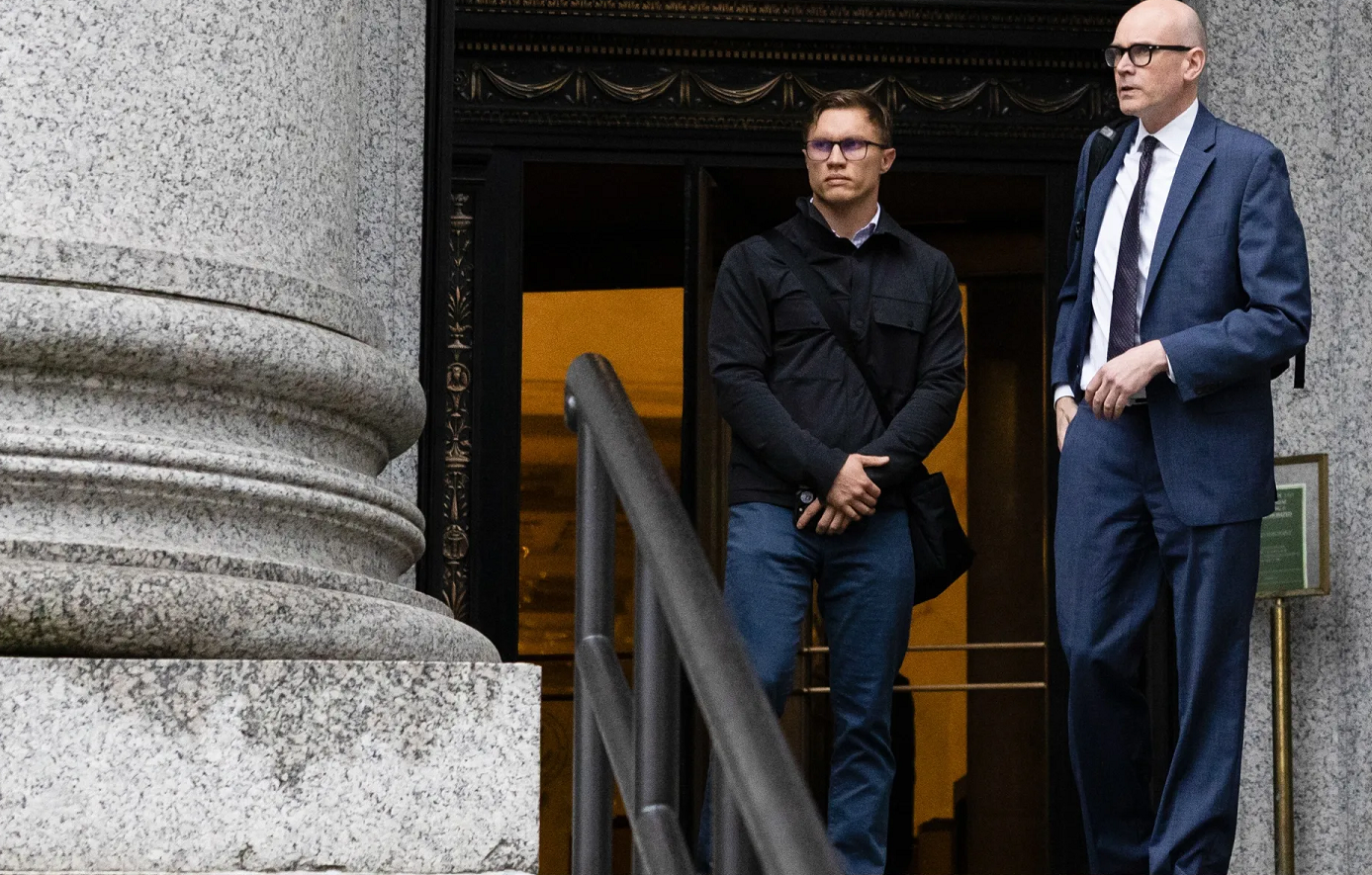
Roman Storm is once again at the center of a widening debate over how the United States treats open‑source privacy tools. The Tornado Cash co‑founder, first indicted in 2023, was convicted in August 2025 on one count of unlicensed money transmission after a four‑week trial. Jurors could not reach a unanimous decision on the two most serious charges involving money laundering and sanctions violations, leaving those counts unresolved.
Federal prosecutors in the Southern District of New York are now seeking a retrial on those same undecided counts. Their request, filed this week, asks Judge Katherine Polk Failla to schedule a new trial for October 2026. The move comes at a moment when federal agencies have publicly shifted their stance on mixers, with Treasury acknowledging that lawful users may rely on privacy tools to protect their financial activity.
Stay In The Loop and Never Miss Important Crypto News
Sign up and be the first to know when we publishStorm Says Prosecutors Are Ignoring Clear Signals From Washington
Storm responded to the filing with a public statement outlining his concerns about the renewed effort. He noted that a jury of twelve Americans had already reviewed the evidence and failed to reach agreement on the remaining charges. He argued that prosecutors are attempting to criminalize the act of writing code, even as federal policy moves in the opposite direction. His message highlighted recent developments, including the administration’s declaration that the war on crypto has ended and a Justice Department memo stating that the agency does not regulate digital assets or target mixers for the actions of end users.
He also pointed to Treasury’s decision to lift sanctions on Tornado Cash and its March 2026 report to Congress, which stated that lawful digital asset users may use mixers to maintain privacy. Storm contrasted those positions with the SDNY’s push for a retrial that could expose him to as much as 40 years in federal prison. He emphasized that he never controlled the protocol, never handled user transactions, and published open‑source code that others deployed independently.
Storm said he has nearly exhausted his legal defense funds after the first trial and now faces the prospect of another full federal proceeding. He described the financial strain as a decisive factor that could determine the outcome, arguing that prosecutors benefit if he cannot mount a complete defense. He framed the case as a broader test of whether developers can be held criminally liable for software that operates without their involvement.
As institutional adoption of digital assets expands and federal agencies acknowledge the role of privacy tools, Storm’s case is emerging as a key moment in the ongoing debate over code, speech, and the boundaries of criminal liability in open‑source development.