
Senate Stalls Crypto Bill as Bitcoin ETFs Surge and BTC Tests Key Support

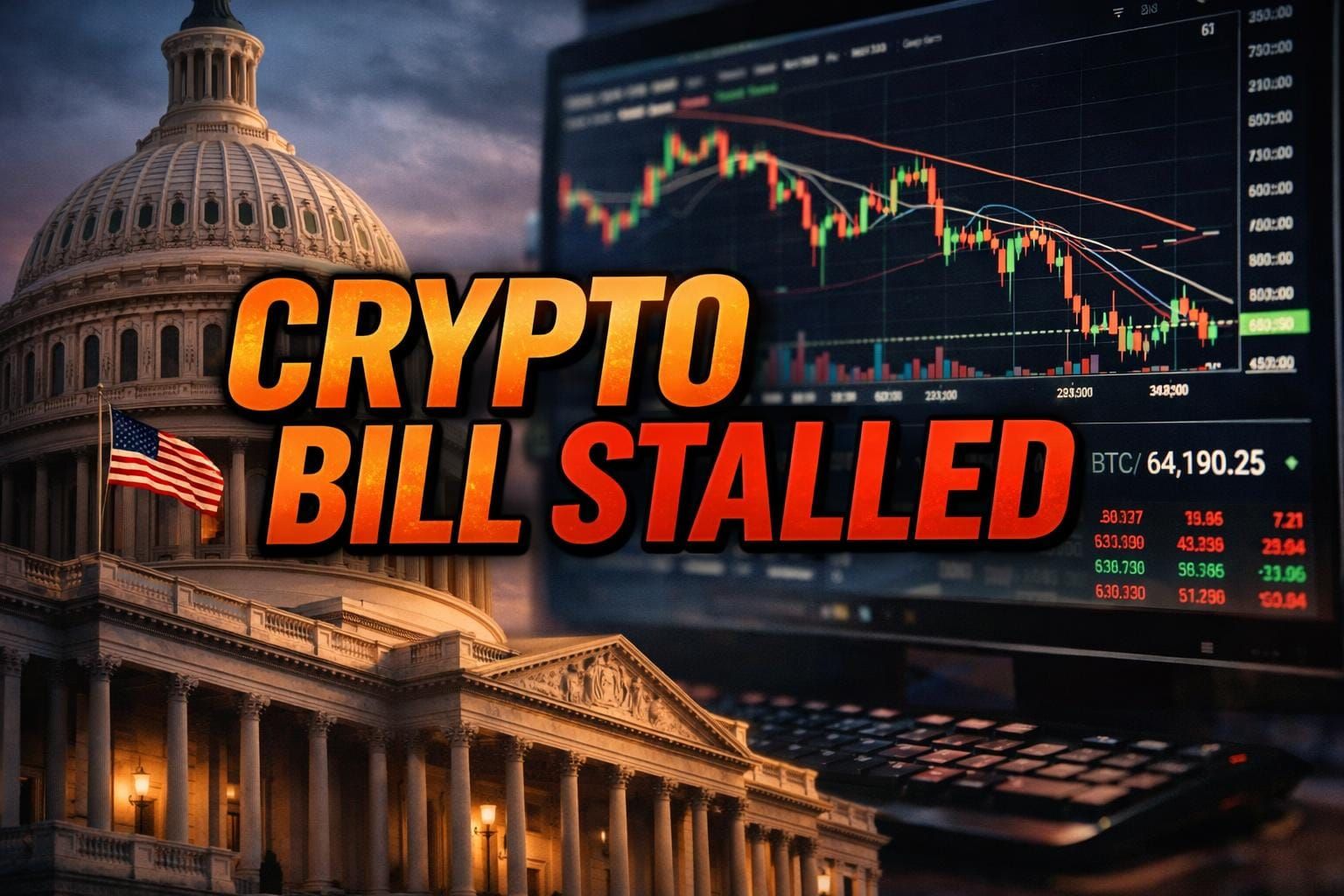
Bitcoin opened Tuesday trading near $64,190 as sellers continued to defend the $65,000 resistance level and traders braced for a pivotal US inflation report. The broader market mood was cautious, with BTC swinging between an intraday high of around $65,316 and a low near $63,752 over the prior 24 hours. Large holders, often called whales, were spotted accumulating during the dip even as leveraged long positions were flushed out, leaving the market caught between a technical ceiling and a longer-term macro support zone around $60,000.
Adding to the sell-side pressure, Strategy sold 1,690 Bitcoin for $108.6M last week, using the proceeds to repurchase preferred stock. The firm has now offloaded $432M worth of Bitcoin in 2026 and has not made a net purchase in seven consecutive weeks. Despite that shift, Strategy still holds 840,447 BTC, keeping it comfortably ranked as the largest corporate Bitcoin holder in the world, and analysts noted that the market absorbed the sales with relatively little disruption.
ETF Inflows Surge After Coldcard Hack Rattles Self-Custody Holders
US-listed spot Bitcoin ETFs recorded their strongest weekly inflows since April, pulling in more than $850M in the week ending August 7, according to Bloomberg. The surge followed a high-profile hack of the Coldcard hardware wallet that renewed focus on the risks of self-custody and pushed investors toward ETF-based exposure. BlackRock's IBIT fund alone captured roughly $693M of that total, or about 81% of all weekly net inflows across competing products.
On the legislative front, the US Senate failed to advance the Digital Asset Market Clarity Act before its August recess, falling well short of the 60 votes required for cloture with only around 51 senators in favor. Senate Majority Leader John Thune confirmed the bill, which aims to clarify whether the SEC or CFTC oversees various crypto assets and trading platforms, will not receive another floor vote until mid-September at the earliest. The delay leaves the broader US regulatory framework unresolved heading into a stretch of critical inflation data that could also set the tone for Federal Reserve rate policy this autumn.
Sentiment Analysis
Loading market sentiment…