
Logan Paul Accused of Scamming After Selling Pokemon Card for $16.5M

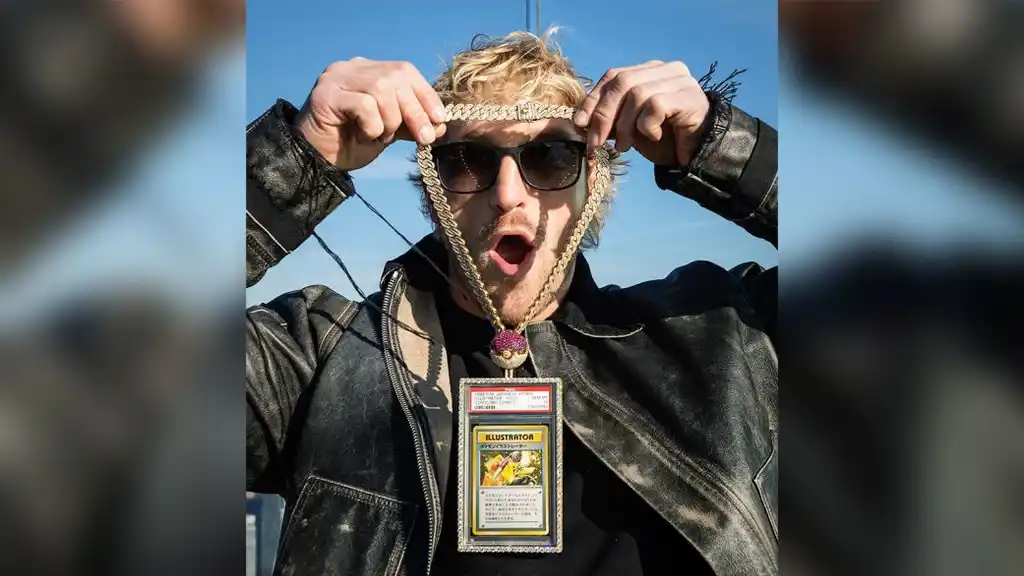
Logan Paul completed the sale of his 1998 Pikachu Illustrator Pokemon card during a live auction that captured widespread attention across collectibles circles. The rare Pokemon card, bundled with a diamond necklace, sold for $16.49 million dollars to AJ Scaramucci, son of Skybridge Capital founder Anthony Scaramucci. This transaction established a new benchmark for the most expensive trading card sold at auction.
Social media users quickly connected the sale to Paul's earlier work with Liquid Marketplace, his tokenization firm focused on NFT's and collectibles. Paul had once presented the card to potential card investors as an opportunity for shared ownership through fractional tokens. Community members highlighted that the promotional materials suggested co-ownership benefits even though the official terms and conditions outlined different arrangements.
Video clip of Logan Paul saying investors can buy fractional tokens of the rare Pokemon card using Liquid Marketplace
Regulatory Review and Ownership Details Emerge
The Ontario Securities Commission pursued legal action against Liquid Marketplace roughly two years after the firm's launch. Officials characterized the venture as a multi-layered fraud and alleged that executives transferred approximately $3 million to affiliated shell companies. Those funds reportedly supported personal purchases such as luxury jewelry, spa visits, and other high-end items.
Paul maintained that he held no direct role in the proceedings. He stated last December that he had repurchased the card from the firm in May 2024 for a substantial amount and confirmed no further involvement with the regulatory process. He noted that the matter did not pertain to him personally.
Investors in the platform had encountered issues accessing their accounts for some time. Reports indicated difficulties with fund withdrawals until Paul announced last Wednesday that unclaimed amounts could now be retrieved. He explained that he covered expenses to restore the site after it became unavailable for reasons outside his control.
In a post shared on February 16, Paul reiterated key points about the card's history and ownership structure. He pointed out that only 5.4% of the 51% ownership stake offered through Liquid Marketplace had been acquired by investors, totaling around $270K. Paul added that he personally funded the reactivation of the platform to enable withdrawals for affected users.
The update concluded with congratulations to the buyer and a reflection on Paul's five-year stewardship of the collectible. He described the experience as bittersweet yet rewarding given the card's cultural significance. Engagement on the original post remained limited because comments were blocked by Paul after facing backlash.
Critics responded through quote tweets and separate threads. Several users labeled the situation as questionable and reported that Paul had blocked their profiles after they raised concerns. One account dedicated to Pokemon news and alerts commented that Paul's involvement had brought challenges to the broader community.
The Pikachu Illustrator card stands as one of the scarcest items in Pokemon trading card history, with only a handful of high-grade examples known to exist. Paul first acquired the piece in 2021 for about $5.27 million and featured it prominently in various content and appearances over the years. The recent auction, conducted through Goldin Auctions, included extended bidding sessions that drew collectors and enthusiasts from around the world.
Tokenization platforms like Liquid Marketplace represent an attempt to apply blockchain principles to physical assets such as rare cards and memorabilia. These efforts aim to create verifiable fractional ownership records and improve liquidity for high-value items traditionally held by single owners. Cases like this one illustrate the practical hurdles that can arise when combining traditional collectibles markets with digital asset frameworks.
Paul has participated in the collectibles space through both personal acquisitions and content creation. His livestream of the auction generated additional milestones, including Guinness World Records recognition for aspects of the event. The sale price more than tripled his original investment after accounting for associated costs and prior arrangements.