
Libra Scandal Deepens as Hayden Davis Signed Confidential Agreement with President Milei

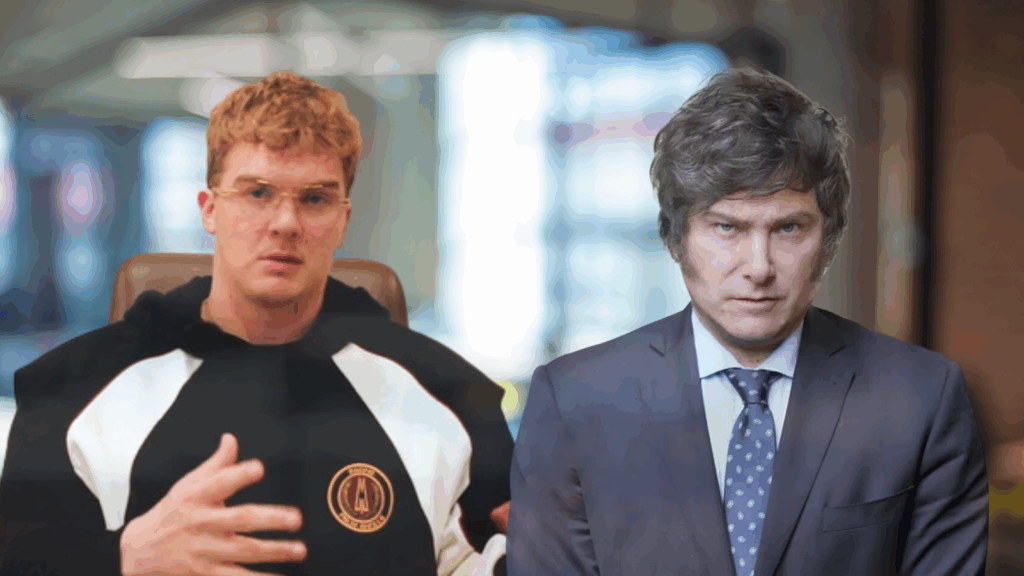
A recent investigative report has brought fresh scrutiny to the ongoing controversy surrounding the LIBRA token scandal, revealing that Hayden Davis, CEO of Kelsier Ventures and a key figure in the token's launch, signed a confidential agreement with Argentine President Javier Milei. The document, obtained by the newspaper Clarín, designates Davis as an unpaid advisor on blockchain and artificial intelligence matters for the Argentine government. This development adds another layer to the scandal that erupted earlier this year, when Milei's promotion of the token led to a rapid price surge followed by a collapse that wiped out significant investor value.
The agreement, drafted in Spanish and signed on January 30, 2025, does not reference LIBRA directly but outlines Davis's role in providing professional support on topics like smart contract automation, digitalization of public documents, and blockchain training. It emphasizes alignment with global trends in decentralization and technological modernization, while committing Davis to maintain strict confidentiality unless authorized by law. President Milei has previously described his involvement with the project as incidental, noting that he shared the token's smart contract on social media without deeper ties.
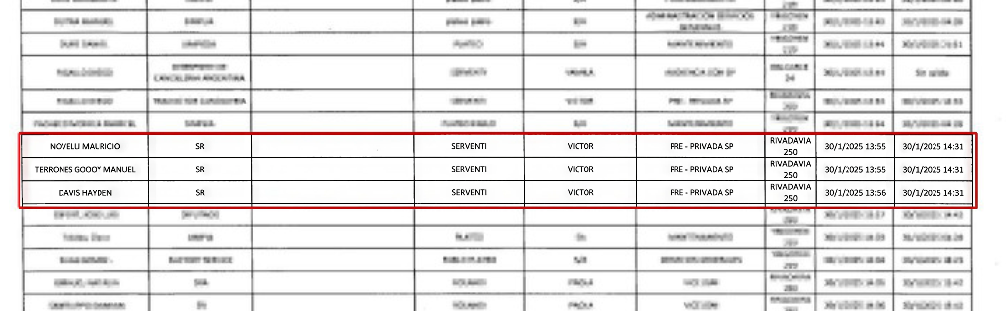
Unveiling the Timeline and Connections
The agreement emerged just two weeks before LIBRA's launch on February 14, 2025, when the token experienced a dramatic rise in value after Milei's endorsement, only to crash sharply thereafter. Investors faced losses estimated in the hundreds of millions of dollars, with reports pointing to insider trading and liquidity withdrawals that benefited early participants. The confidential nature of the deal raises questions about transparency, particularly since Milei did not disclose it publicly despite his public interactions with Davis, including a meeting at the presidential palace and a shared photo on social media.
Opposition figures have seized on the revelation to highlight potential deeper cooperation between the government and the token's organizers. Maximiliano Ferraro, who led a congressional investigative committee on the matter, stated that the new information confirms earlier suspicions of secrecy and pressure surrounding the case. The committee's final report suggested Milei provided essential support for the project, though the president has maintained that his actions were intended to promote innovation without direct involvement.
The scandal has prompted multiple legal actions, including probes in Argentina and the United States, focusing on allegations of fraud and undisclosed ties. An anti-corruption office cleared Milei in June 2025, but opposition parties reopened the case in August, citing evidence of numerous meetings with lobbyists and unexplained access to contract details. Davis's assets have been frozen in Argentina amid these investigations, and reports indicate substantial cryptocurrency transfers linked to him around the time of key meetings.
Meanwhile, Argentina's financial landscape continues to evolve amid these events. The Central Bank of the Argentine Republic (BCRA) is preparing revisions to its longstanding restrictions on banks handling cryptocurrencies and digital assets. These changes could allow institutions to offer trading and custody services for assets like Bitcoin and stablecoins, potentially bringing more formal access to digital finance for citizens who have long relied on informal channels to hedge against economic instability. While the timing of these regulatory shifts remains uncertain, they reflect ongoing efforts to modernize the sector despite the political turbulence surrounding LIBRA.