
Former Olympian Ryan Wedding Extradited to US in Tether (USDT) Cocaine Scheme

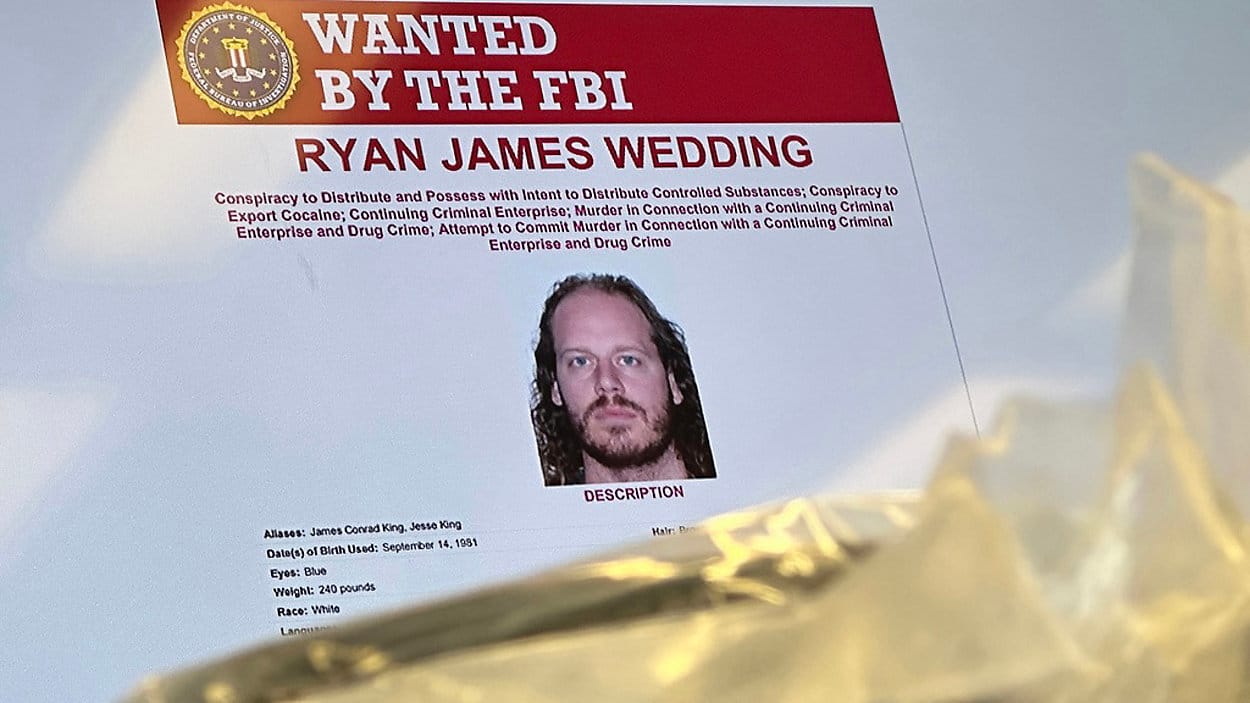
Ryan James Wedding, a former Canadian Olympic snowboarder, was extradited from Mexico to the United States on January 23, 2026, to face federal charges related to running a massive cocaine trafficking network. Authorities allege that Wedding, once a competitor on the world stage, built a multibillion-dollar operation that moved tens of thousands of kilograms of cocaine annually from Colombia through Mexico into North America.
The case has drawn widespread attention not only for Wedding’s dramatic fall but also for the reported role of cryptocurrency, specifically the stablecoin Tether (USDT), in financing and concealing the proceeds of the alleged enterprise.
U.S. prosecutors and the Treasury Department claim that Wedding and his associates used Tether to settle payments with drug runners and to launder profits. According to court filings, couriers received payments in USDT by scanning QR codes after delivering cocaine shipments. This method allowed the organization to move large sums quickly across borders while avoiding traditional banking channels that are subject to stricter oversight.
UNBELIEVABLE: 😱 Olympic snowboarder Ryan James Wedding has been indicted for leading a cocaine trafficking gang that used Tether (USDT) in its billion-dollar operation.
— DΛVID (@DavidShares) October 18, 2024
The U.S. Department of Justice claims Wedding and 15 others ran a syndicate, transporting cocaine from… pic.twitter.com/RGuql5Xfrn
News footage from 2024 showing Wedding indicted for cocaine operation which used Tether (USDT) cryptocurrency for cross-border payments
Tether’s Role in the Alleged Cocaine Operation
In late 2024, federal agents seized more than one ton of cocaine, $3.2 million in cryptocurrency, and several firearms linked to Wedding’s network. Shortly after those raids, the Treasury Department imposed sanctions on Wedding, multiple alleged associates, and related businesses. Among the sanctioned entities was a Toronto-based jewelry store that authorities described as a front for converting cryptocurrency earned from drug sales into cash and luxury goods.
The use of Tether in the case highlights concerns about how stablecoins can facilitate illicit finance. Prosecutors allege that the organization relied on the dollar-pegged token because it offers near-instant transfers and relative anonymity compared to conventional wire transfers. While Tether the company maintains that it cooperates with law enforcement and freezes assets when presented with valid court orders, the Wedding case adds to a series of high-profile investigations involving the stablecoin.
"Multiple agencies and jurisdictions poured their blood, sweat, and tears into dismantling the Wedding Drug Trafficking Organization, and today we have successfully removed the head of the snake.
- DEA press release, Jan 23, 2026.
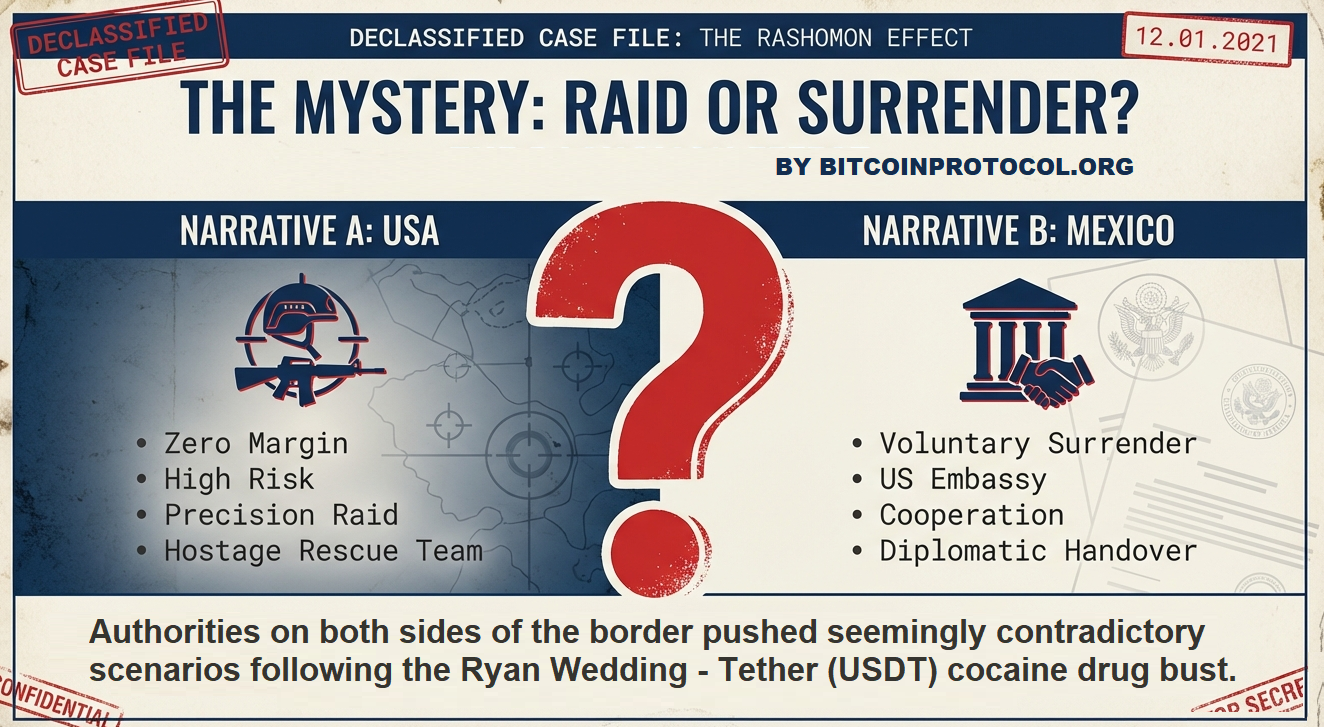
The circumstances surrounding Wedding’s transfer to U.S. custody remain a point of public discussion. Mexican officials stated that he voluntarily presented himself at the U.S. Embassy in Mexico City, while FBI Director Kash Patel described the operation as a carefully coordinated, high-risk mission involving the bureau’s Hostage Rescue Team. Sources familiar with the matter suggest the truth likely combines elements of both accounts, with intense law enforcement pressure ultimately prompting Wedding to seek American custody rather than remain exposed in Mexico.
Wedding now faces charges that carry the potential for life imprisonment. Federal authorities have portrayed him as one of the most prolific narcotics traffickers in recent history, responsible for moving an estimated 60 metric tons of cocaine each year. The investigation has already led to dozens of arrests across the United States, Canada, and Mexico, dismantling significant portions of the alleged network.
The inclusion of Bitcoin and cryptocurrency seizures and sanctions highlights the evolving tactics used by both criminals and law enforcement. As digital assets become more integrated into global finance, authorities continue to develop tools to trace and recover funds moved through blockchain networks. The Wedding case serves as the latest example of how stablecoins, originally designed to provide price stability, have also been adopted by organized crime seeking efficient cross-border payment solutions.
Legal proceedings against Wedding are expected to move forward in California federal court in the coming months. Prosecutors have indicated they possess extensive evidence, including financial records and communications recovered during earlier raids. Whether Wedding chooses to cooperate with authorities or contest the charges remains unclear, but the outcome will likely influence future enforcement actions targeting the connection of cryptocurrency and transnational crime.