
Fed Hawkishness, BlackRock Income ETF, and Illinois Digital Asset Tax Rock Markets

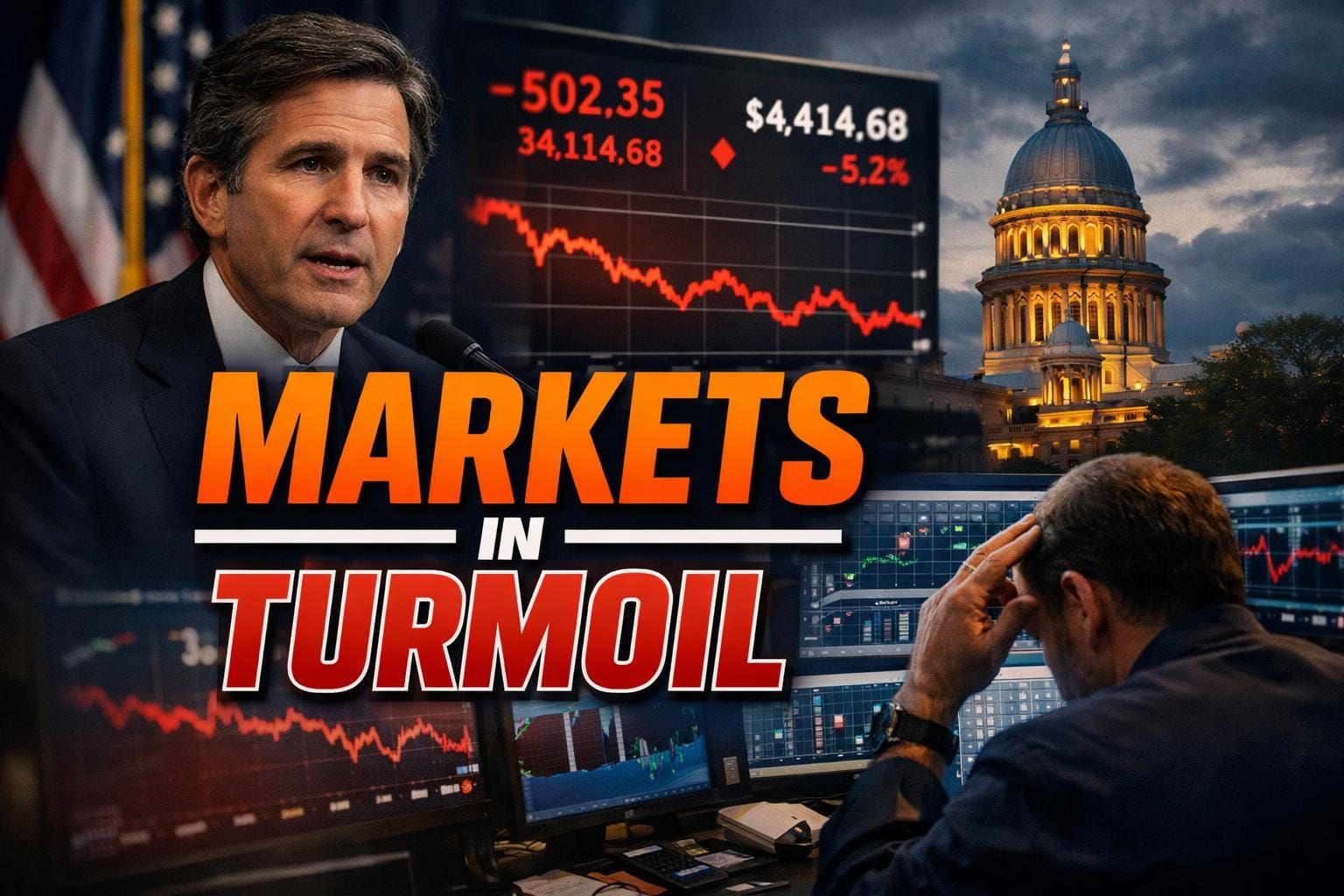
Bitcoin slid to roughly $64,500 on Thursday after the Federal Reserve held rates steady but struck a markedly hawkish tone in its first policy meeting under new Chairman Kevin Warsh. Warsh acknowledged inflation remains well above the Fed's 2% target and announced a task force to review five areas of monetary policy, including the balance sheet and inflation frameworks. Spot Bitcoin and Ether ETFs shed a combined $111 million in outflows as rate-cut hopes evaporated, and traders on CME FedWatch now price in about an 80% probability of one or more rate hikes before year-end.
The hawkish pivot rattled the broader crypto market, with most major digital assets falling between 1% and 3% following the decision. Bitcoin miner Marathon Digital dropped more than 3% on the session, while Coinbase ended the day about 2% lower. The total crypto market cap held near $2.26 trillion but lost momentum, and the two-year Treasury yield surged 14 basis points to 4.19% as rate-hike odds at the July meeting jumped from 8% to 28%.
BlackRock Debuts Covered-Call Bitcoin ETF on Nasdaq
Separately, Wall Street's largest asset manager rolled out a new product that signals a deepening institutionalization of Bitcoin. BlackRock's iShares Bitcoin Premium Income ETF began trading on Nasdaq under the ticker BITA on June 16, one day after the SEC approved its notice of effectiveness. The fund holds spot Bitcoin exposure through BlackRock's existing $49 billion IBIT ETF and sells covered call options on 25% to 35% of that portfolio each month, passing the collected premiums to shareholders as monthly income distributions. At a planned 0.65% fee, BITA undercuts the two largest rival covered-call Bitcoin funds, which charge 0.95% and 0.99%.
On the regulatory front, Illinois lawmakers quietly inserted a 0.2% tax on any business activity involving digital assets into the state's budget at the last minute, drawing sharp criticism from the crypto industry. Two people familiar with the matter told CoinDesk the provision is unlikely to be changed, putting Illinois on a collision course with crypto firms and potentially with the Trump administration, which has signaled that states should not be regulating companies like Kalshi and Polymarket. The development adds to a patchwork of state-level crypto rules even as federal legislation on stablecoins and market structure continues to advance in Washington.
Sentiment Analysis
Loading market sentiment…