
Elon Musk Warns of Industrial Risks from China's Silver Export Controls

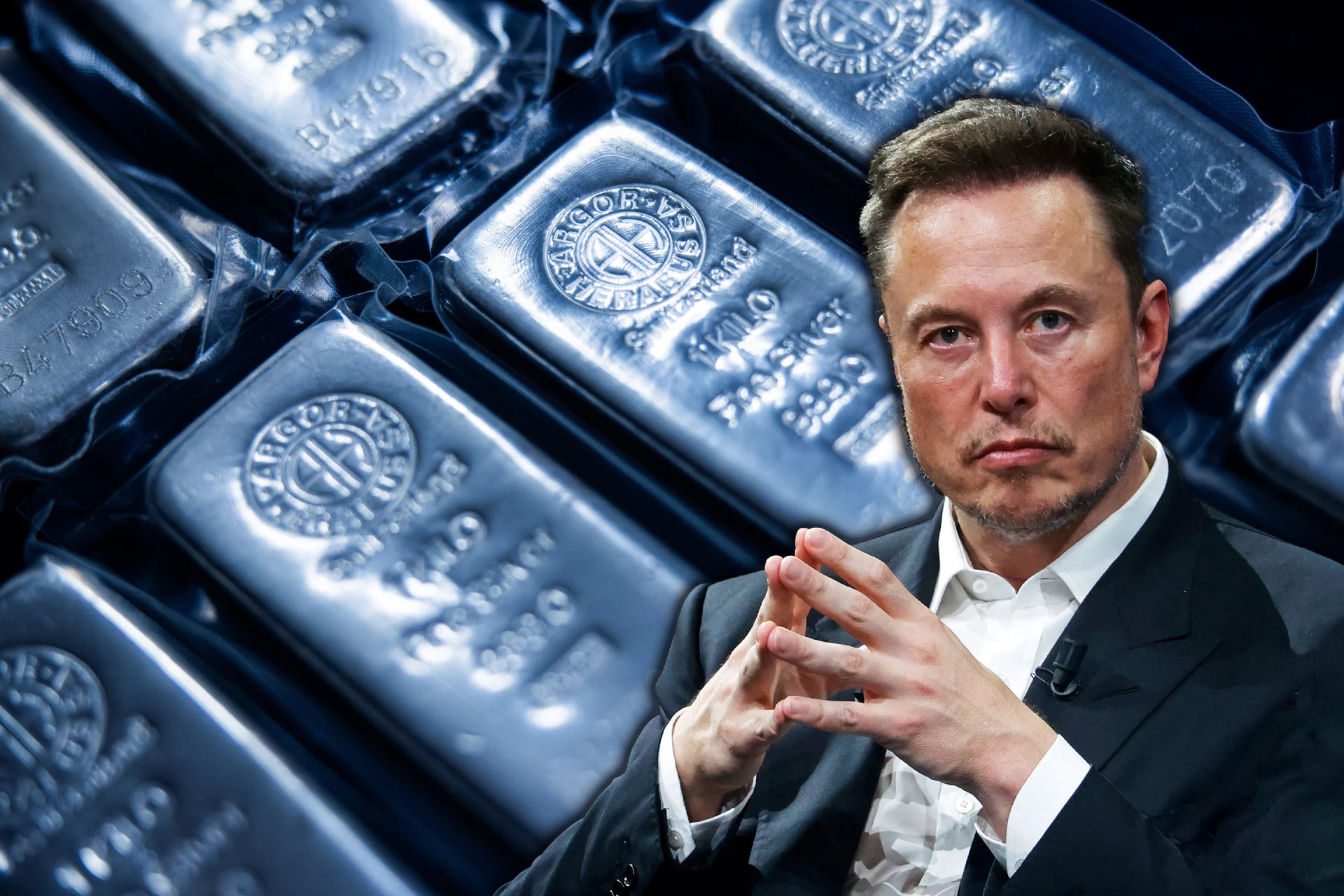
Elon Musk has voiced concerns about the potential disruptions to global supply chains as China prepares to implement stricter controls on silver exports starting January 1, 2026. The Tesla and SpaceX CEO responded to a social media post detailing the upcoming restrictions by stating, "This is not good. Silver is needed in many industrial processes." His comment underscores the metal's critical role in manufacturing, particularly in sectors like electric vehicles, solar energy, and electronics.
The new regulations require exporters to obtain licenses from China's Ministry of Commerce, with eligibility limited to large firms meeting stringent criteria such as minimum annual production levels and substantial credit lines. These measures effectively restrict smaller exporters and prioritize domestic supply amid rising industrial needs. Analysts view the policy as an extension of China's approach to strategic commodities, similar to past controls on rare earths, antimony, and tungsten.
Stay In The Loop and Never Miss Important Crypto News
Sign up and be the first to know when we publishSilver's Surging Market Amid Supply Concerns
Silver prices have surged dramatically in 2025, reaching record highs above $75 per ounce in late December, marking a more than 150% increase from the start of the year. This rally stems from a combination of strong industrial demand and persistent supply deficits. Global silver production in 2024 stood at around 820 million ounces, with China contributing approximately 110 million ounces as the second-largest producer after Mexico. Demand from photovoltaic cells, electric vehicle components, and other technologies has outpaced supply for several years, creating structural imbalances.
The upcoming export controls are expected to tighten global availability further, as China refines a significant portion of the world's silver and directs more toward its own industries. Industrial users, including automotive and renewable energy companies, face higher costs and potential shortages. For firms like Tesla, which rely on silver in electrical systems and batteries, these developments could raise production expenses and complicate supply planning in the coming year.
The U.S. government recognized silver's importance by adding it to the 2025 List of Critical Minerals, alongside other new entries like copper and silicon. This designation highlights vulnerabilities in supply chains and the need for domestic sourcing to support economic and technological leadership. With ongoing trade tensions between the U.S. and China, including tariff discussions and geopolitical frictions, the export measures add another layer of complexity to international commodity flows.
Silver's performance has outpaced many other assets in 2025, driven by both safe-haven buying and industrial fundamentals. While prices have shown volatility, the underlying supply-demand dynamics suggest continued upward pressure. In comparison, gold has risen more than 70% this year to levels above $4,400 per ounce, benefiting from central bank purchases and its traditional role as a hedge against currency debasement. Bitcoin, meanwhile, has traded around $87,000 to $90,000 in late December, reflecting a more mixed performance amid broader market fluctuations and its distinct position as a digital asset and store of value.