
Blockstream’s Ties to Epstein Reveal Hidden Investments, Bitcoin Mixing, and Deniable Funding

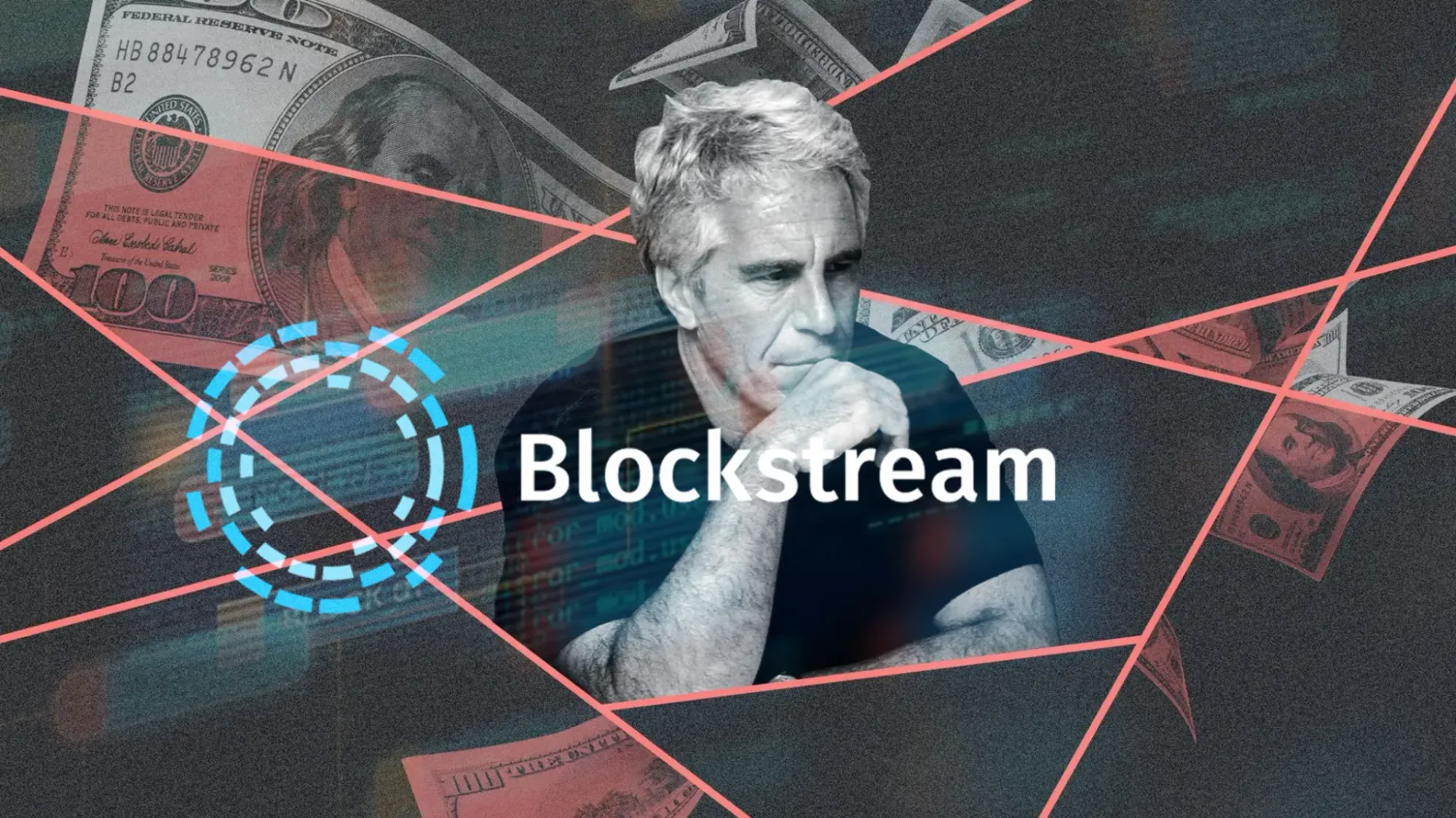
The new 2026 release of additional Jeffrey Epstein documents by the U.S. Department of Justice has reignited scrutiny of early Bitcoin and crypto ecosystems. Among the most disturbing revelations are direct communications between Blockstream co-founders and Epstein, involving proposals to use Bitcoin's privacy features, including transaction mixing, to obscure financial trails for hidden investments and controversial side projects.
At the heart of this story is evidence suggesting Blockstream leadership explored Bitcoin tumbling (mixing) techniques to provide "total deniability" in dealings linked to Epstein, a convicted sex offender with documented interests in eugenics and transhumanism.
The Epstein-Blockstream Investment and Personal Contacts
Epstein invested approximately $500,000 in Blockstream's 2014 seed round through a fund connected to Joi Ito and MIT Media Lab. Concerning emails show ongoing personal engagement between the two parties over the years:
- Co-founder's Austin Hill and Adam Back (sometimes referred to as "Andy Back") met Epstein multiple times between 2014 and 2018.
- Epstein invited Hill and CEO Adam Back to his private island (Little Saint James).
- Austin Hill acknowledged a 2014 business visit, while references to "Andy Back" suggest Back's presence.
These contacts extended beyond mere investment networking, delving into highly sensitive financial structuring.
Bitcoin Mixing for "Total Deniability": The 2018 Emails
The most alarming exchanges occurred in July 2018, when Austin Hill emailed Epstein about structuring funding for side projects, including those involving Bitcoin core contributor Bryan Bishop, using privacy-enhanced coin mixing mechanisms.
In one email thread, Hill proposed an "offshore hedge fund" or "investment trust" to acquire projects, with all settlements "managed in Tumbled bitcoin transactions." This directly references Bitcoin tumbling/mixing, techniques to obfuscate transaction origins by pooling and redistributing coins.
I working with ideas for Bryan. I know you've hid you're investments through Joi in the past, but the way this might work might be an offshore hedge fund, investment trust. That's makes a few acquisitions of Bryan's and mine side projects. All settled and managed in Tumbled bitcoin transactions.
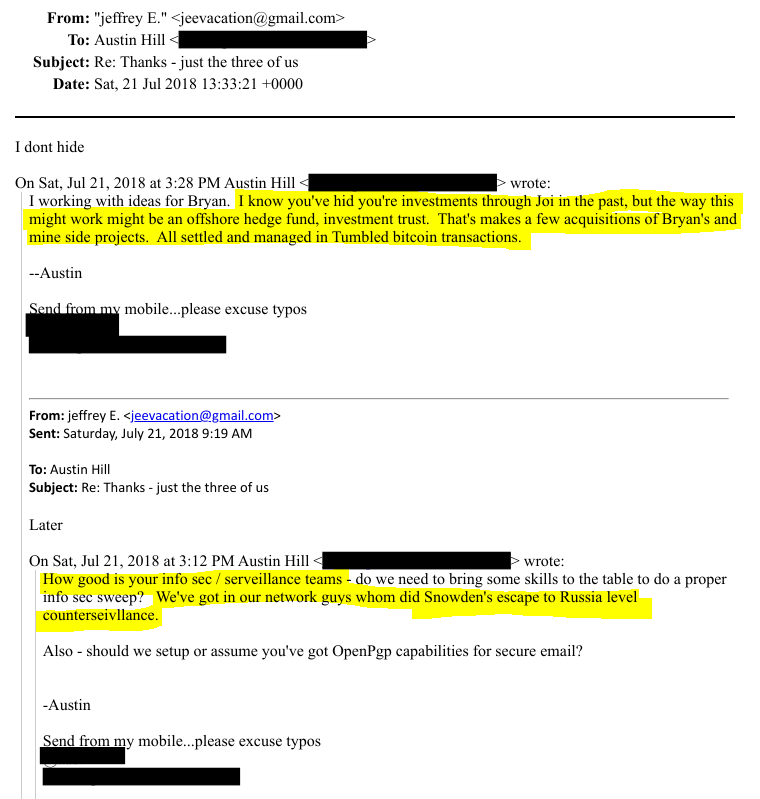
Context from the emails:
- Hill referenced prior Epstein investments hidden through Joi Ito.
- He linked to an Austin Powers clip featuring Dr. Evil and Mini-Me (lines about clones and "evil empire"), apparently as coded humor tying into cloning and genetic enhancement discussions.
- Follow-up emails discussed high-level operational security, offering "Snowden's escape to Russia level counter-surveillance" from Blockstream's network, which at the time included Bitcoin core developer Gregory Maxwell, the inventor of CoinJoin the original Bitcoin mixing protocol published in 2013 to BitcoinTalk.
These communications coincided with Bishop pitching Epstein on a "Designer Babies" venture: genetically engineering human offspring, potentially achieving "the first live birth of a human designer baby and possibly a human clone" within five years. Bishop, a self-described transhumanist, sought funding with explicit emphasis on deniability, perfectly aligning with Epstein's known eugenics obsessions.
A Bit of Evil Irony
In January 2014, Blockstream announced a $21 million seed round investment into their company. In the opening paragraph of their announcement post, article author Austin Hill writes:
“Can’t be evil.” That was the first thing Adam Back and I wrote on a whiteboard at the start of the year. I had flown out to Malta to spend a week with Adam in a hotel board room to map out a vision for an ecosystem and a future we wanted to see built.
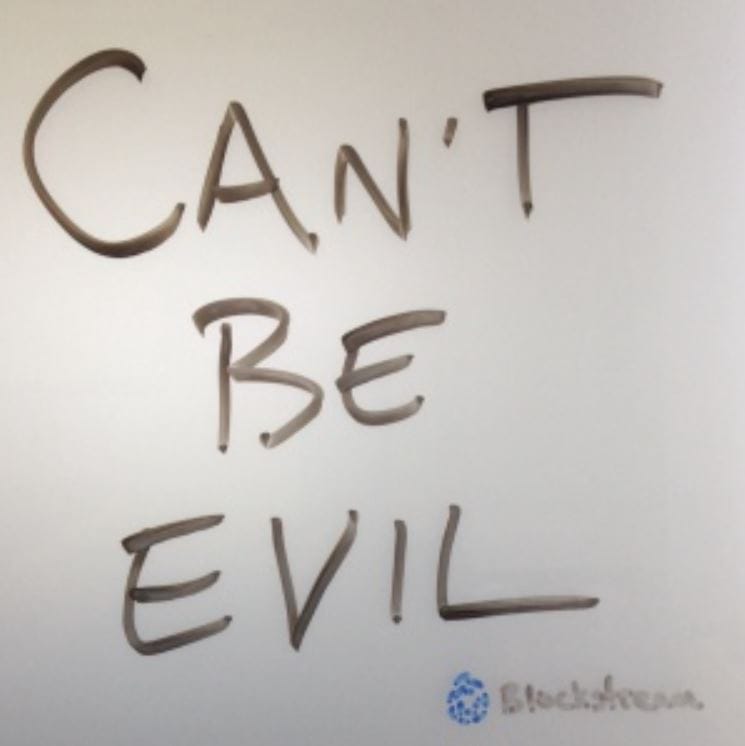
In the emails to Epstein with references to being Dr. Evil, cloning, building an evil empire, and coded humor, is extremely ironic given the message that Blockstream was publicly trying to portray at the time. It wasn't until all of these Epstein Bitcoin emails were published do we now know the full truth.
Why Bitcoin Mixing Matters Here
In 2018, Bitcoin privacy tools like CoinJoin and tumblers were gaining traction but not yet heavily regulated. Blockstream, as a company focused on Bitcoin infrastructure, employed leading experts in these technologies. Gregory Maxwell's CoinJoin implementation made anonymous settlements feasible exactly as described: obscuring fund sources for offshore entities.
While privacy is a core Bitcoin feature, the context in these emails raise serious red flags:
- Structuring investments to evade tracing and hidden projects.
- Linking to Epstein during his post-conviction period.
- Tying to ethically fraught projects echoing Epstein's transhumanist fantasies.
Broader Implications
Other Epstein crypto ties include a $3 million Coinbase investment and contacts with early figures like Brock Pierce. But Blockstream's case stands out due to repeated personal outreach and specific money laundering proposals.
These emails paint a troubling picture. Blockstream leaders appearing willing to leverage Bitcoin mixing (tumbling) tools to shield controversial funding streams involving Jeffrey Epstein. This fuels questions about due diligence with Blockstream, Austin Hill, Adam Back, and other projects they have been working on.
Bitcoin remains a neutral protocol, but its early builders' associations matter. These revelations highlight how powerful networks, including predatory ones. all connected during Bitcoin's formative years.
We created an Epstein Bitcoin Email archive to go through all the newly released Epstein emails relating to Bitcoin, cryptocurrency, and blockchain, to search through all the communications for important information relating to this topic. Try it out!