
Bitcoin Pulls Back to $90K as Federal Reserve Delivers Cautious Rate Cut

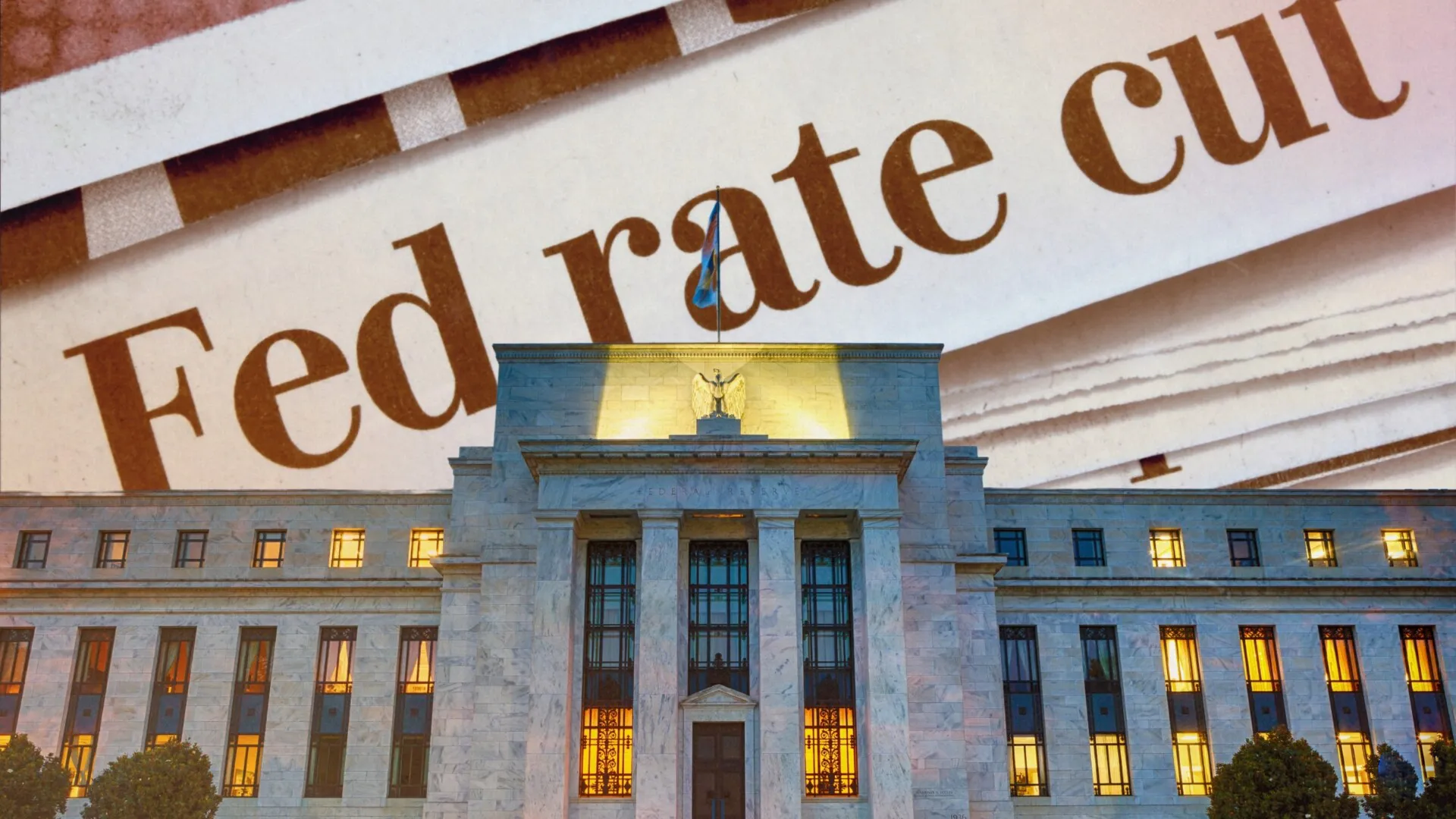
Bitcoin's price fell back to around $90,000 on Thursday following the Federal Reserve's anticipated 25 basis-point interest rate cut. The move came after a pre-announcement surge that pushed the leading cryptocurrency to $94,500, only for it to reverse course amid broader market caution. This pattern echoes a year-long trend where Bitcoin has declined after seven of the past eight Federal Open Market Committee meetings, reflecting sensitivity to central bank signals.
The retreat extended to other major cryptocurrencies as well. Ethereum dipped below $3,200, while other major cryptocurrencies posted losses, contributing to a pullback in the overall crypto market. Traders had hoped the rate adjustment would provide fresh momentum, but the Fed's accompanying guidance tempered those expectations and sent risk assets lower across the board.
Stay In The Loop and Never Miss Important Crypto News
Sign up and be the first to know when we publishFed's Cautious Guidance Tempers Crypto Optimism
Federal Reserve Chair Jerome Powell's remarks during the post-meeting press conference struck a balance between acknowledging economic progress and stressing data dependence for future actions. He described the labor market as cooling, which supported the decision to lower the federal funds rate to a range of 3.50% to 3.75%, but he also highlighted persistent upside risks to inflation and unemployment. This neutral positioning places the policy rate in what Powell called "neutral territory," yet it underscores the challenges in navigating current economic conditions.
The FOMC's updated projections revealed limited scope for further easing, with just one additional rate cut forecasted for 2026, matching the outlook from September. The decision passed with a 9-3 vote, marking the most dissents since 2018 and signaling internal divisions within the committee. Powell referred to the environment as "very challenging," a nod to the delicate balance between fostering growth and controlling price pressures that have lingered since earlier in the year.
The overall tone so far is being viewed as calibrated rather than transformative. While the Fed upgraded its economic growth forecast and trimmed inflation expectations, it also raised the threshold for additional policy support, echoing the measured approach seen at the end of the previous easing cycle. This blend of dovish elements on the surface with hawkish undertones underneath contributed to the swift reversal in asset prices, as investors recalibrated their positions.
In parallel with the rate adjustment, the Fed outlined plans to purchase $40 billion in Treasury bills over the next 30 days, starting December 12, aimed at preserving ample reserves in the banking system. Officials were clear that this initiative does not constitute quantitative easing, framing it instead as routine liquidity management. Still, analysts see it as a subtle boost that could ease funding stresses for smaller institutions, potentially providing a supportive undercurrent for financial markets in the near term.
Looking ahead, the Fed's emphasis on incoming data means upcoming economic releases, such as employment figures and inflation metrics, will carry extra weight. For crypto investors, this introduces a layer of uncertainty that could prolong consolidation or prompt sharper moves if the crypto market sentiment shifts. The Treasury bill purchases, while modest, offer a reminder that central bank actions extend beyond headline rates, influencing everything from borrowing costs to asset allocation decisions.