
Bitcoin and Crypto Industry Faces Reckoning After Years of Political Influence

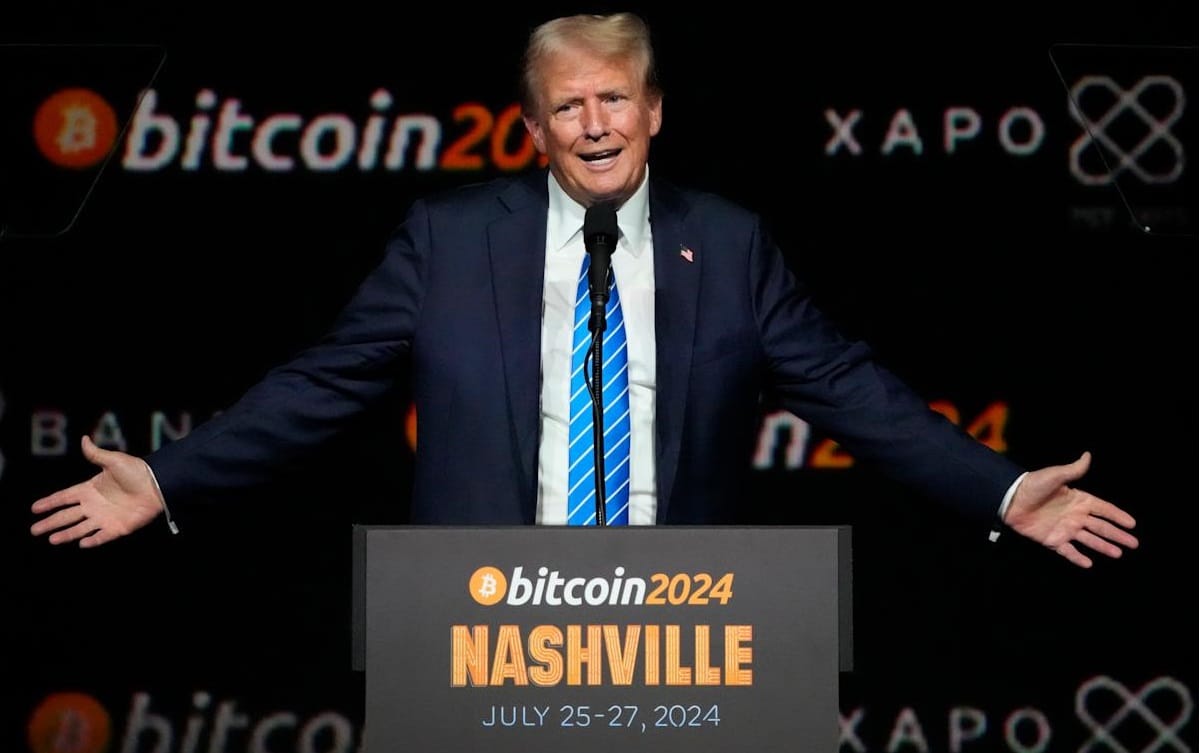
The crypto sector spent years defining itself through conflict through two different presidential administrations. The first Trump presidency from 2017-2021, much of which he didn't embrace or support Bitcoin or crypto at all. In 2019, Trump famously said, "I am not a fan of Bitcoin and other Cryptocurrencies, which are not money, and whose value is highly volatile and based on thin air." Then came the Biden presidency from 2021-2025. Crypto struggled during the Biden admin with regulators and banks targeting crypto as the enemy, instead of a tool for good.
By 2024, after a long standoff with the SEC and mounting pressure from the traditional financial system, many investors believed they had run out of options. Industry leaders framed Donald Trump as the only figure who could reverse the damage, and the community responded by pouring more than $119 million into super PACs supporting his return to the White House. Trump made many promises, not just to Make American Great Again, but to make crypto great again, to support it and have it flourish under his newfound love for it as he seemingly changed his tune about it.
These investments made into Trump's campaign for president reshaped the political landscape around digital assets, but not in the way many expected. Instead of ushering in a new era of innovation, the industry found itself absorbed into a system where access, policy, and opportunity increasingly revolved around the interests of the Trump Family.
Stay In The Loop and Never Miss Important Crypto News
Sign up and be the first to know when we publishA Shift From Reform to Personal Gain
The earliest signals appeared in late 2022 when Trump’s NFT collections tested how much capital could be drawn from a loyal base. The success of those digital cards demonstrated that crypto could serve as a direct revenue channel, setting the stage for a broader strategy. By mid‑2024, major firms such as Coinbase and Ripple, along with prominent venture capital figures, backed the Fairshake super PAC in hopes of securing a friendlier regulatory environment. Trump’s appearance at the Bitcoin Conference in Nashville that summer cemented the belief that a new chapter was beginning.
As the 2025 inauguration neared, the launch of Trump‑themed memecoins on Solana revealed a different reality. On‑chain analysis showed that a small group of insider wallets controlled most of the initial supply. After heavy promotion, the tokens collapsed by more than 90%, leaving retail investors with steep losses while insiders exited with significant gains. It was the first clear indication that the administration viewed the industry as a revenue source rather than a partner in policy reform.
World Liberty Financial, introduced in early 2025, expanded that model. The Trump family secured a 75% share of net proceeds through entities such as DT Marks DEFI LLC, while promoting USD1 as a new foundation for the American financial system. The platform operated as a closed ecosystem that concentrated control rather than distributing it. International partnerships soon followed, including a $500 million investment from UAE royal Sheikh Tahnoon bin Zayed Al Nahyan, which coincided with favorable policy decisions on advanced chip exports.
The relationship with Binance added another layer of concern. After Changpeng Zhao received a presidential pardon in October 2025, reports showed that Binance held nearly 90% of the USD1 supply by early 2026. The exchange effectively became the central custodian of the Trump family’s stablecoin, gaining influence while benefiting from federal protection.
Market instability reached a peak in October 2025 when a sudden 100% tariff on Chinese imports triggered a sharp downturn. Bitcoin fell from record highs, erasing $19.1 billion in retail wealth in a single day. While many expected the Strategic National Bitcoin Reserve to intervene, no action was taken. On‑chain data later showed that large institutional and insider wallets had already begun selling minutes before the announcement.
As the administration’s influence grew, renewed attention on Trump’s long‑documented ties to Jeffrey Epstein added another layer of unease within the crypto community. Epstein’s history of cultivating relationships with early crypto figures has surfaced in public discussions, raising questions about the networks surrounding the current political environment. For many investors, the overlap between these associations and the administration’s expanding role in digital assets has contributed to a broader sense of distrust.
In February 2026, Crypto.com secured a federal bank charter shortly after contributing in total $35 million to a pro‑Trump super PAC. The approval granted the exchange nationwide authority typically reserved for major financial institutions, raising questions about the role of political contributions in regulatory outcomes.
The pattern extended into prediction markets as well. A series of well‑timed bets on Polymarket and other platforms aligned closely with major geopolitical events, including military actions and ETF approvals. With Donald Trump Jr. advising multiple prediction market companies, concerns are growing about the proximity between government intelligence, private speculation, and corruption.
The crypto industry entered this political partnership seeking relief from regulatory pressure. Instead, it now faces a landscape shaped by concentrated control, preferential access, and a widening gap between insiders and retail investors. The promise of a more open financial future has given way to a system where influence often determines opportunity, leaving the broader community to reassess what was gained and what was lost.