
Argentina’s Central Bank Considers Adding Crypto Services Following LIBRA Scandal Fallout

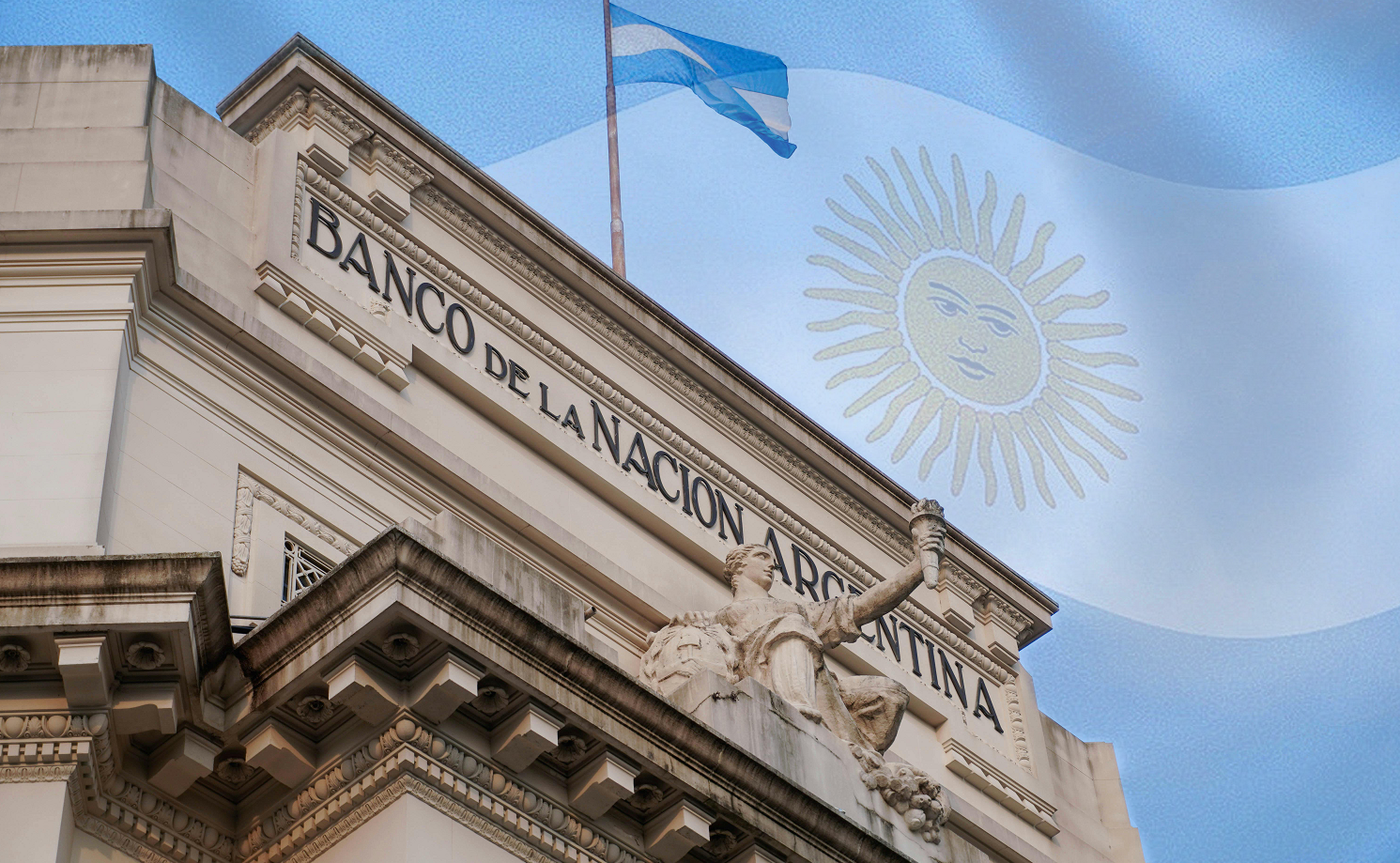
Argentina's financial regulators are taking steps that could reshape the landscape for crypto assets in the country. The Central Bank of the Argentine Republic, known as the BCRA, is drafting revisions to its longstanding prohibition on banks handling cryptocurrencies and other digital assets. This potential shift comes after years of restrictions that pushed many citizens toward informal trading channels to protect their savings from economic volatility. If implemented, the changes would permit domestic institutions to offer trading and custody services for assets like Bitcoin and stablecoins.
The move addresses a pressing need in a nation where inflation has long eroded trust in the peso. Since imposing the ban in May 2022, the BCRA has observed widespread use of digital currencies as everyday tools for transactions and value preservation. Reports from local news indicate that the central bank aims to formalize this activity by requiring banks to register as virtual asset service providers or collaborate with licensed exchanges. Such integration could streamline access for millions of account holders, reducing reliance on unregulated platforms and enhancing oversight for tax purposes.
Experts within the industry view this as a practical response to market realities. With over five million users already engaging in crypto through apps like Lemon, the involvement of established banks such as Galicia or Santander could expand reach exponentially. Daily transaction volumes in Argentina already surpass regional averages by a factor of six, and formal banking channels might further boost participation. The BCRA's discussions, ongoing for years, reflect a broader governmental effort to balance innovation with stability in digital finance.
While specifics on the timeline remain under wraps, sources suggest approval could arrive by April 2026. This would mark a reversal from earlier policies influenced by international pressures, including those from the IMF. Banks would face new rules on capital reserves, liquidity management, and risk controls, drawing from global standards to handle the volatility of digital assets. Only select cryptocurrencies, such as major stablecoins and Bitcoin, are likely to qualify initially, ensuring a controlled rollout.
Stay In The Loop and Never Miss Important Crypto News
Sign up and be the first to know when we publishLingering Shadows from the LIBRA Affair
This regulatory thaw unfolds against a backdrop of heightened scrutiny on cryptocurrency's role in Argentine politics. The year 2025 brought the LIBRA scandal, which exposed vulnerabilities in high-profile endorsements and left investors reeling from substantial losses. On February 14, Argentina's President Javier Milei, a self-proclaimed advocate for digital currencies, shared a post on social media platforms promoting the Solana based token as a means to support small businesses and startups. He included the token's contract address, sparking a frenzy among his 3.8 million followers that drove its market value to $4.6 billion within hours.
The excitement proved short-lived as the token's value crashed 89% to $162 million, with insiders reportedly extracting between $87 million and $99 million in liquidity. Blockchain analyses later confirmed patterns typical of a rug pull, where early participants flood the market with hype before withdrawing funds abruptly. Over 114,000 investors, many from China and the United States, suffered combined losses exceeding $251 million. Investigations revealed connections to U.S. entrepreneur Hayden Davis of Kelsier Ventures and Argentine promoter Mauricio Novelli, including prior meetings at the presidential residence and suggestions of payments to Milei's inner circle.
Milei quickly removed the post and maintained that he had acted in good faith by highlighting an entrepreneurial project, denying any direct involvement in its creation. His office emphasized a lack of endorsement and distanced him from the developers, though leaked messages and footage complicated the narrative. Federal Judge María Servini launched probes into fraud and criminal conspiracy, while a U.S. class-action lawsuit and an opposition congressional report accused Milei and his sister Karina of ethical lapses for failing to conduct due diligence. Calls for impeachment echoed through political circles, and Milei disbanded a self-formed investigative task force in May, citing its completion.
An anti-corruption bureau cleared the president in June, but the episode damaged his reputation as a champion of free markets. Opposition parties reopened the case in August, citing evidence of 16 meetings with lobbyists tied to the scheme and unexplained access to a non-public contract address. The scandal highlighted risks in blending political influence with speculative assets, particularly in a country where crypto serves as a lifeline against economic hardship.
The proposed BCRA changes could help mitigate such incidents by channeling activity through vetted institutions. Industry leaders stress the importance of a forward-looking approach that avoids past pitfalls. Partnerships between banks and exchanges might introduce features like interest-bearing digital accounts and efficient cross-border payments, benefiting both individuals and businesses. For everyday users, this means converting pesos to Bitcoin or stablecoins without navigating shadowy offshore services, potentially stabilizing household finances amid ongoing peso depreciation.